So as a devoted National-Park aficionado I learned of Randall K. Wilson’s A Place Called Yellowstone: The Epic History of the World’s First National Park last Spring when it was announced as winner of the Barbara and David Zalaznick Book Prize for the best work of history of 2024. I’ve read five or six books of Yellowstone lore and this is the best book for the Big Picture of the park.

It details the park and area’s history from its super-volcanic origins to the present day, from its surprising distinction as the world’s first national park in 1872 to the devastating fires of 1988 and the reintroduction of wolves in 1995 as beyond. It’s full of fun facts, such as Jim Bridger’s early explorations and discovery of the thermal features, that led it to be nicknamed “Bridger’s Hell.” It became a National Park while the Indian Wars were still unfolding and at times pioneers were camping there while Shoshone and Nez Perce still roamed the area. One of my favorite discoveries was that the south shoreline of Yellowstone Lake held a trove of Native American archeological sites. I spent a week kayaking the lake and camped at various locations on the south shore, a gorgeous, isolated lake-scape.
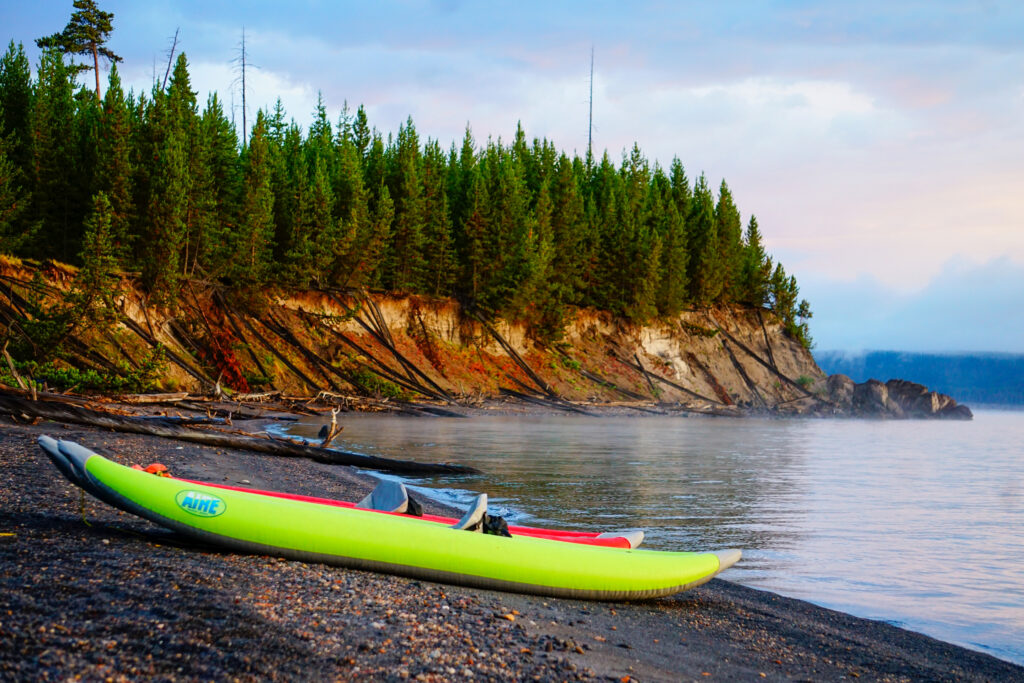
It’s the largest alpine lake in North America and is stunning. As far as wildlife goes we saw wolf tracks along the shore, had a Pine Marten in our camp, and were amused by a Short-eared Owl that swooped and dove above our heads while hunting insects. The campsites were outstanding and scenic: Usually we were perched on a plateau above the lake, as in the photo below.
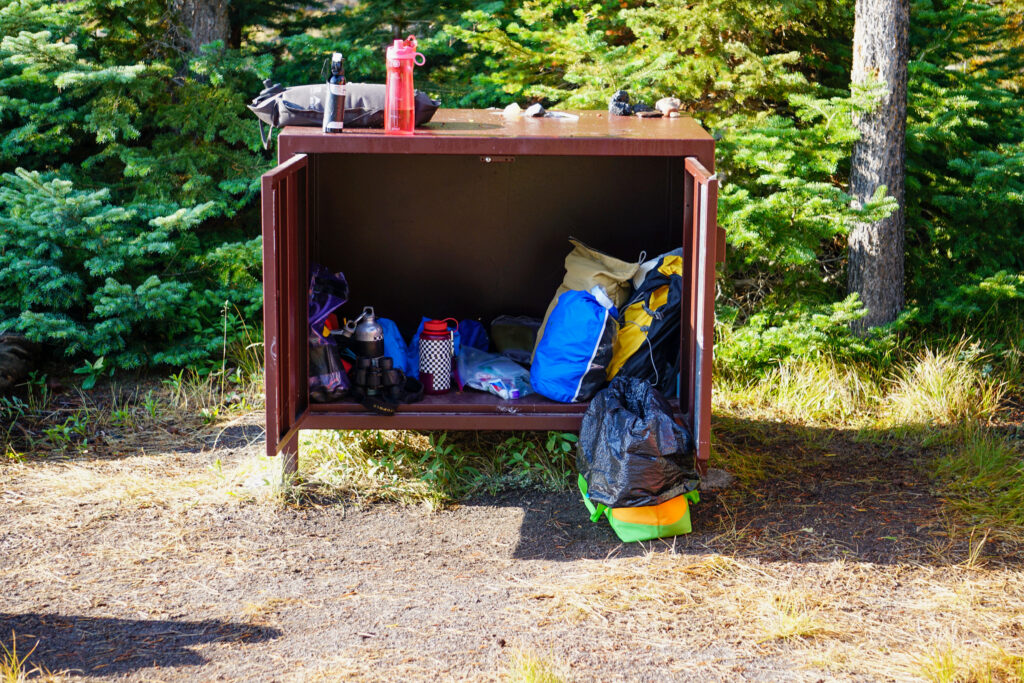
Every campsite had an impressive bear-pole rigged near camp, where you could hang your food for protection from the grizzlies, but some of them also had the metal bear boxes, which made for great kitchen-organizers.
With most of the campsites perched above the lake we had gorgeous views the whole time.
The paddling can be rigorous: Winds tend to blow from west to east on the lake and our paddle out from the West Thumb boat dock was relatively easy, while our return trip some six days later was a constant fight against the wind.
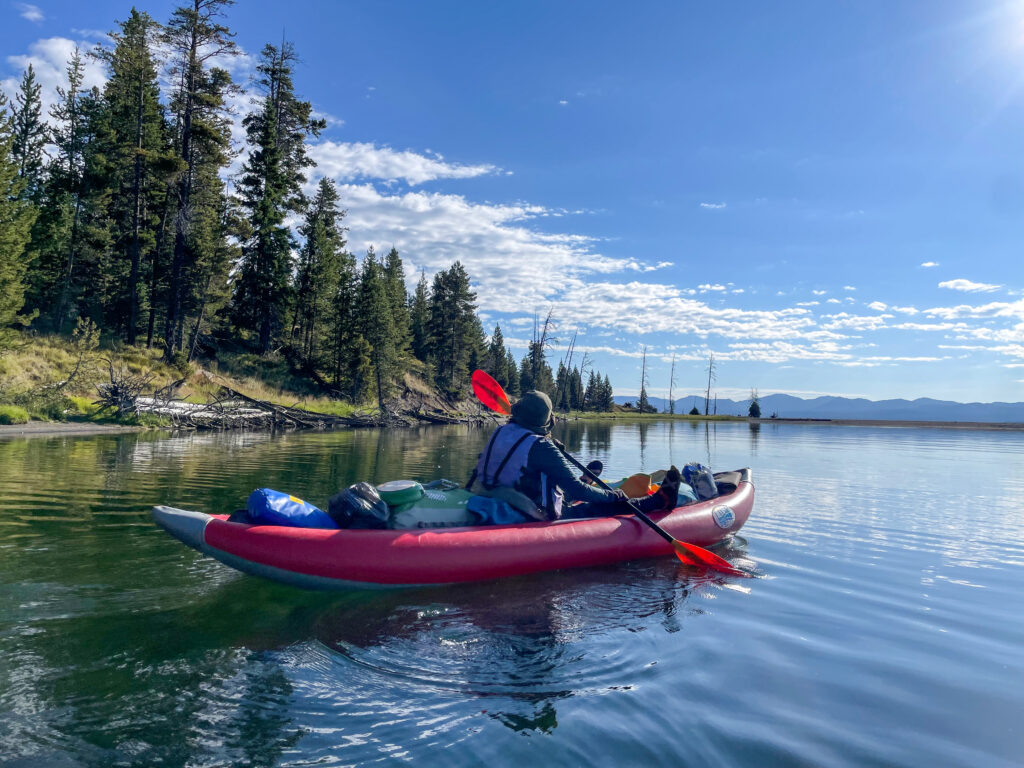
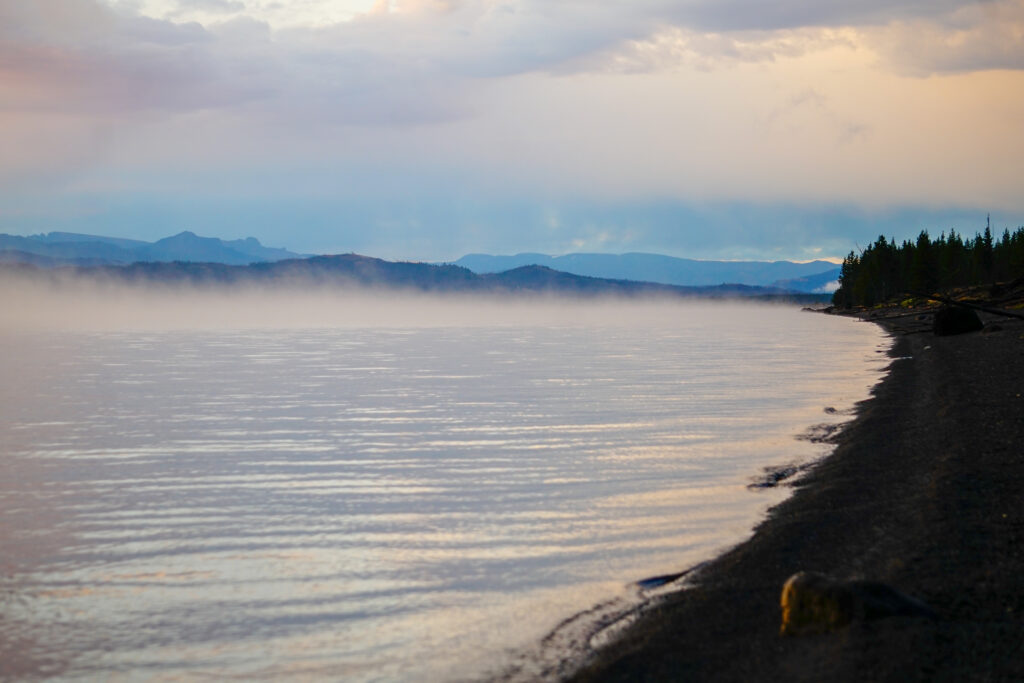
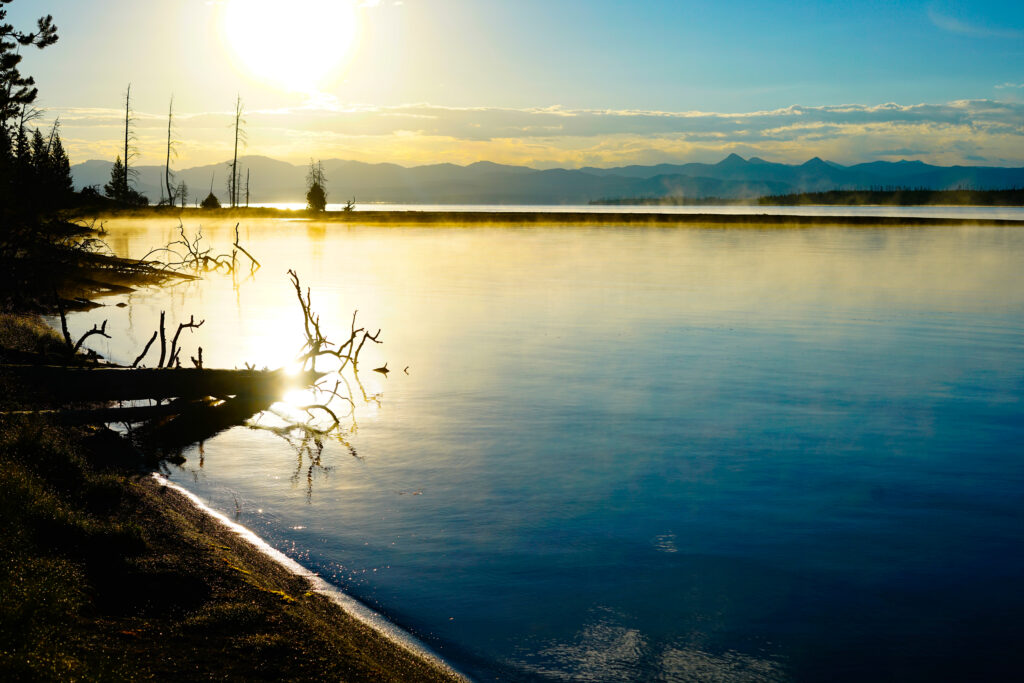
The photo above was taken in blue-sky weather, but during our week of paddling we had storms every day, and more than once were caught on the lake in wind and rain. The weather could change quickly. When we woke in the morning the lake would tend to be calm and foggy, and by afternoon the wind would pick up and create waves.
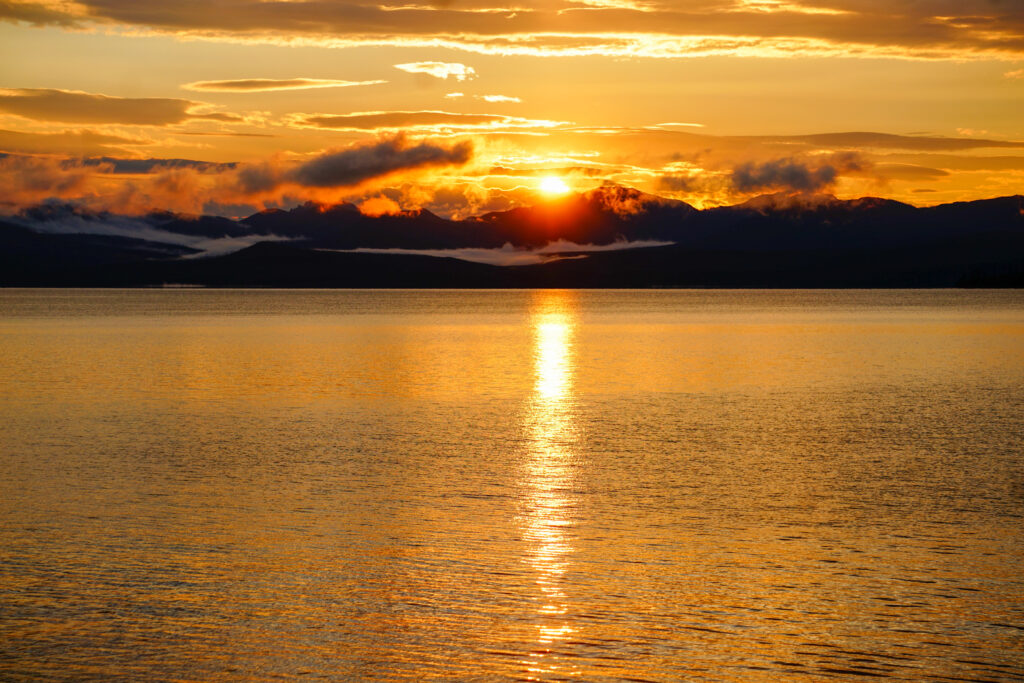
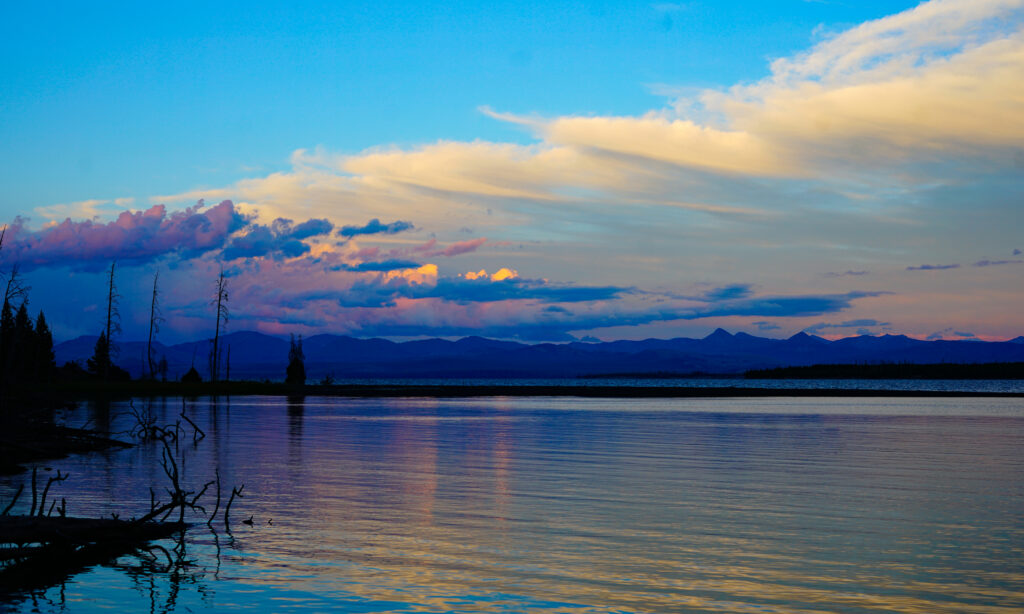
The storms tended to arrive after noon and before sunset, so the lake would often be calm while we were eating our dinner and enjoying the view.
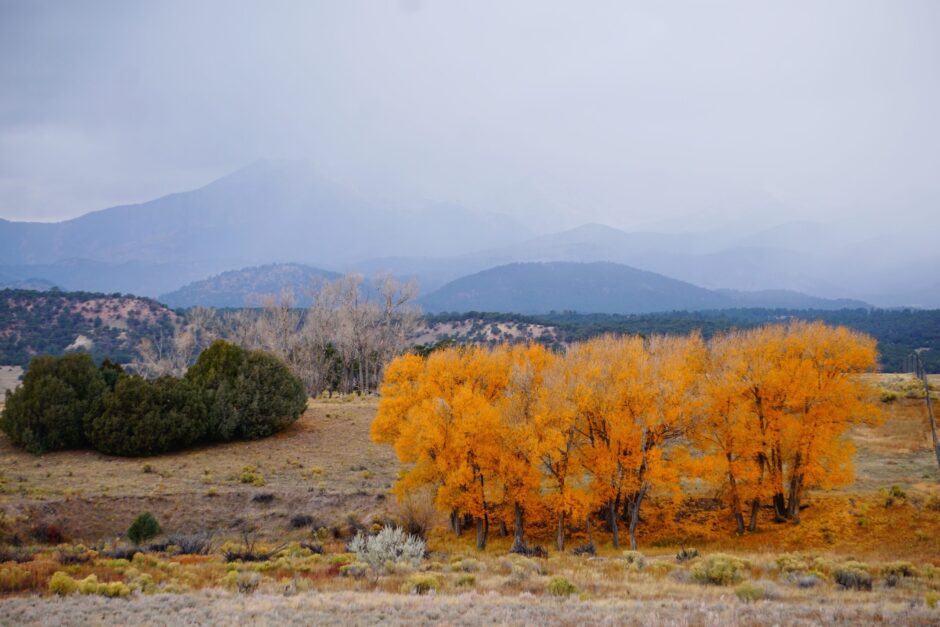
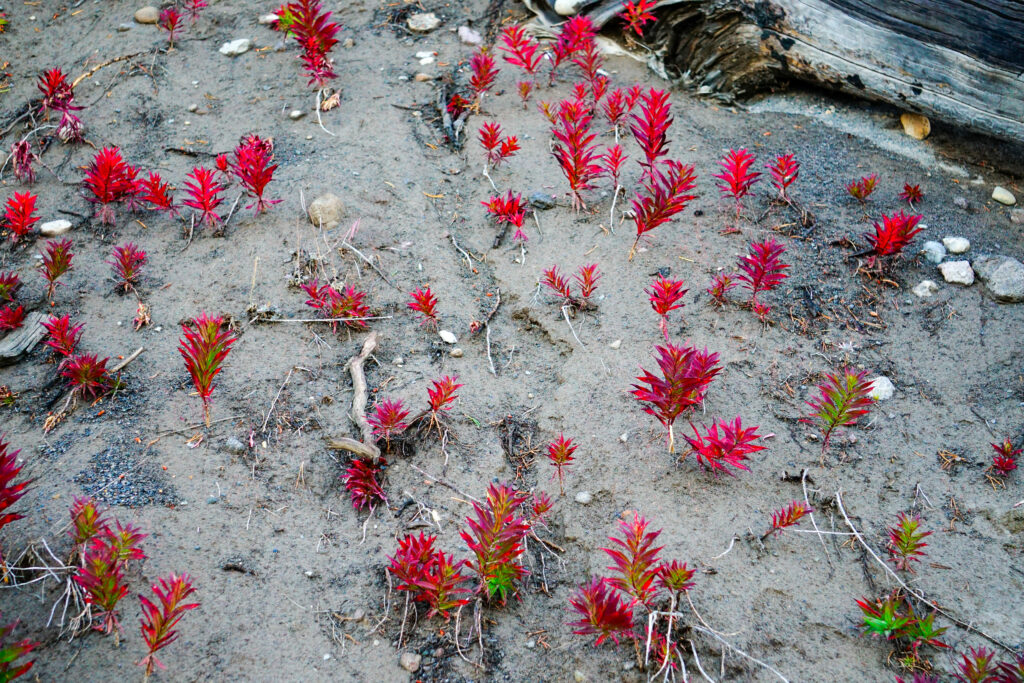
It was September during our visit. Although there were few aspens on the southern shore of the lake the foliage showed nice Fall color.
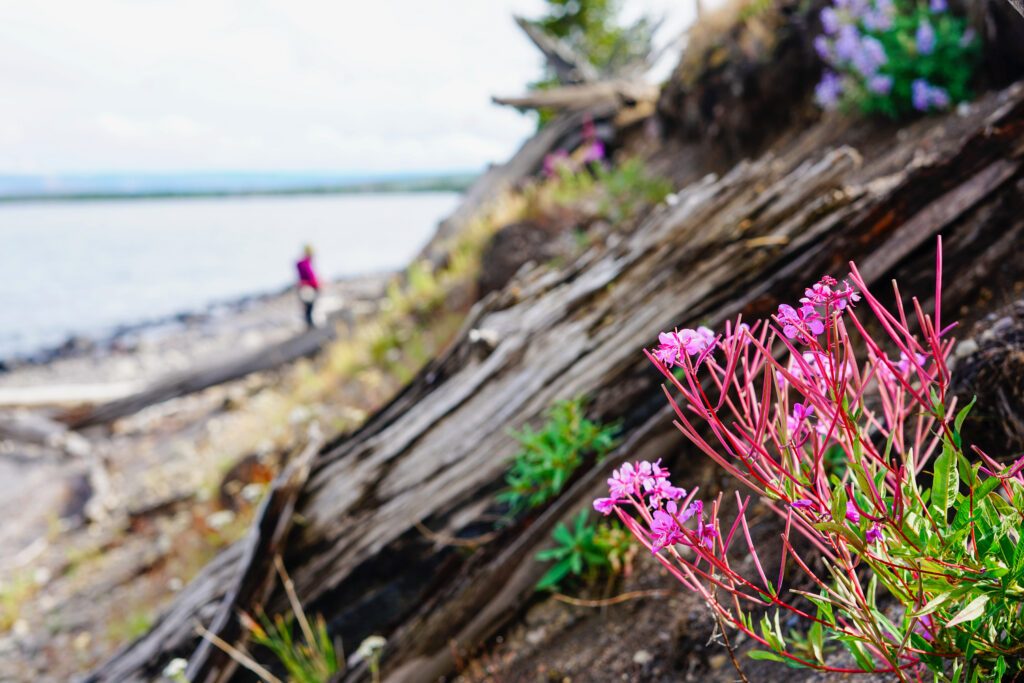
And there were still wildflowers blooming.
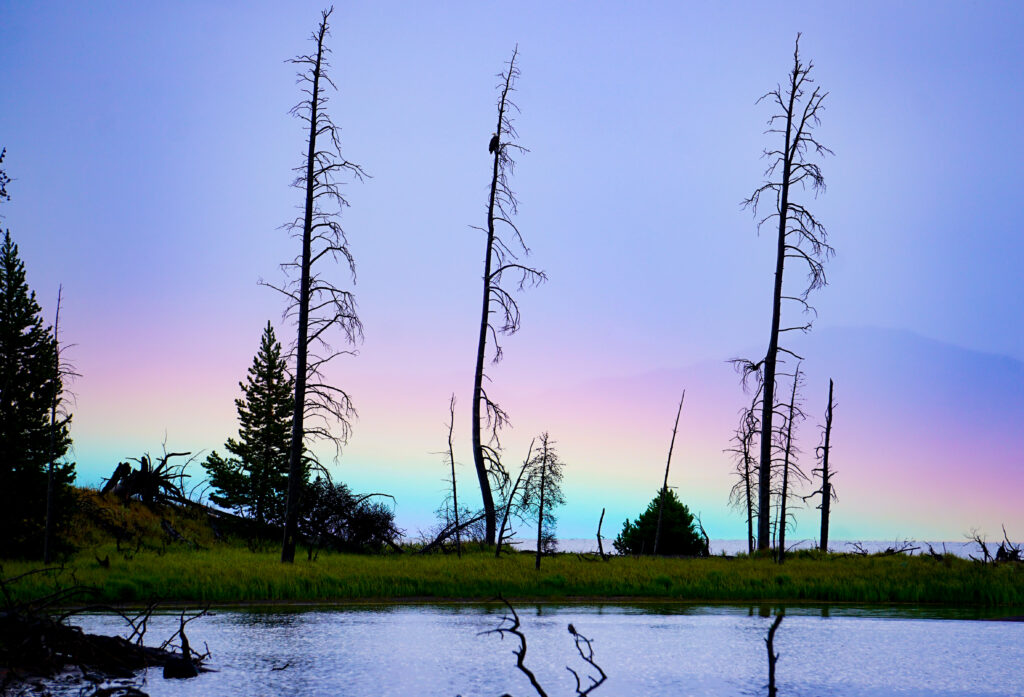
Lastly I think my favorite moments were the quiet evenings watching the lake. We saw a few other paddlers during our week but not a single one camped close by. We didn’t hear or see Loons on the lake (although I have other times) but there were many geese and ducks.