
So the lives of professors are fodder for contemporary fiction and film, as evidenced by these two respective gems: the recent Julia Roberts’ film After the Hunt (2025) and Morris Collins’ just-published novel The Tavern at the End of History. Having been a professor for some 35 years I know from my own anecdotal knowledge what many professors’ lives are like—mostly unglamorous and busy, often scrabbling for attention in their respective fields, often juggling students and classes and meetings and administrative work. In After the Hunt overall Julia Roberts makes a convincing professor/administrator. She’s tense and harried throughout the story, check. She doesn’t talk shop with her husband much, check. She mostly seems to keep her students at arms’ length, check.

But there are some stumbles in her depiction: During one party scene both students and faculty are discussing the upcoming chances of two professors going up for tenure. In my experience few students would even know that process was unfolding. Most professors are smart enough not to comment upon such a drama-laden event. (Unless, of course, they aren’t particularly bright or have little Emotional Intelligence, which certainly happens often enough in the professor world.) The students and faculty alike are also boozing at this party, which used to be standard practice for academic events . . . back in the day. Now we all have to be much more careful. And the party scene sets up the most dramatic event in the film—which is why, in real life, we’ve come to avoid parties and drinking in general. They’re not unheard of, but more staid and careful than they were in the past.
One thing I think both novel and film get right: Students can sometimes try to bring down to earth the faculty whom they admire (or whom they simply study with), as an act of maturation, as a way to break free of their mentor’s influence, similar to the way teenagers often rebel to claim their own identities. In Morris Collins’ novel The Tavern at the End of History one of the main characters, Jacob, is essentially fired by his university for bad behavior with a troubled student. It’s not a sexual dalliance. It’s not a cheating scandal or accusations of plagiarism. What exactly leads to his firing? At one point Jacob says, frustrated by said student, “Fuck off, Joshua.” The fact that Joshua attempts suicide soon after this altercation doesn’t help Jacob’s case.
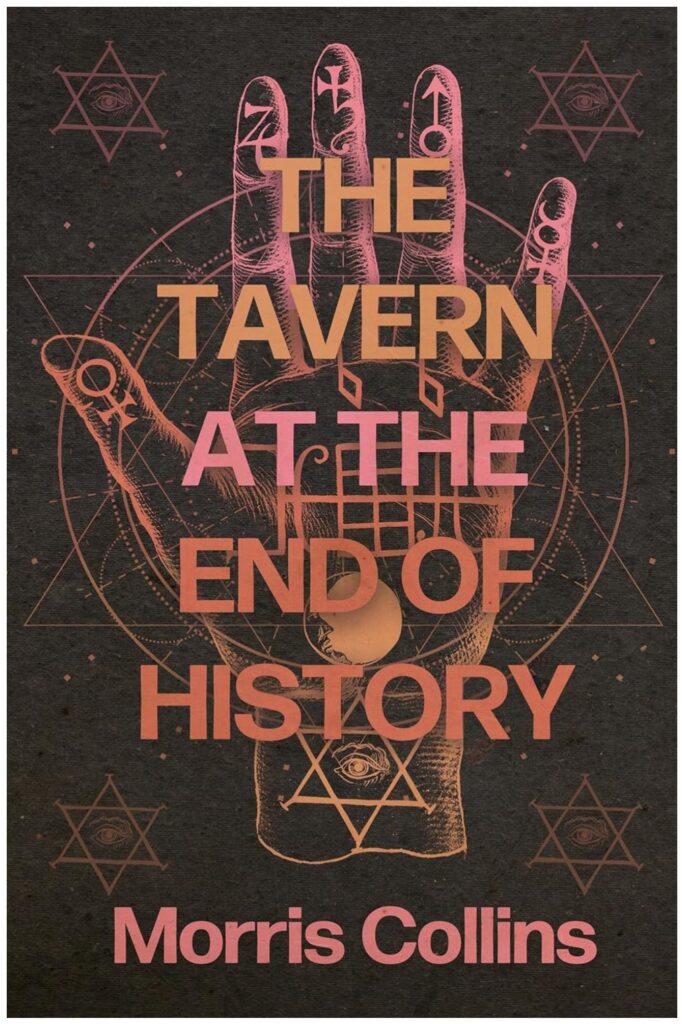
Would that act be enough to cause a professor to be fired? Maybe. The implication here is Jacob is not a tenured professor, but an adjunct or Visiting Professor, which is generally on an annual-contract basis. After Joshua’s failed suicide attempt he launches a complaint against Jacob. Universities, for good reason, don’t want to litigate professor/student squabbles.
On the other hand the “bad behavior” in After the Hunt is more more serious and damaging: There are accusations of sexual assault. The professor vigorously denies these, but subsequent details in the film cloud the picture. Audience assumptions are both scrambled and reinforced. By the film’s end the academic world seems to have been turned upside down, to some extent, with surprising winners and losers. In both stories the professors seem to be lost, in different ways, and emblematic of the fraught relationships common in contemporary universities.