So George Saunders’ new novel Vigil is out and about and it seems everywhere you look George is staring back, from an interview in the New York Times that labels him a “secular saint” and “guru of goodness” to a new film adaptation (now in production) of his novel Lincoln in the Bardo—starring Tom Hanks as Abe Lincoln no less. (I’m not saying he’s overexposed, but the George Saunders action figures are a bit much. And so pricey! You have to pay extra for the tiny writing desk and lectern.) Disclaimer: I know George and like him, consider him a friend, though it’s not like we go shoot pool together or anything. I was instrumental in bringing him to the Penn State campus for a couple of readings. Both went well. After one of them we had a party at my home and George was supernice to my students. “Secular saint” and “guru of goodness” was hardly what I (or, I imagine, what those students) would have characterized him as. For one event he read his great story “Sea Oak,” about a woman who comes back from the dead to save her nieces and a nephew who works as a male stripper at a Chippendale’s-like nightclub. There’s a funny point in the story in which the dead zombie-aunt screams at her nephew, “Show them your cock!” So before we go warming up the anointing oil and filling the holy water font, let me say George certainly did not come across as some kind of self-righteous do-gooder. I love his stories, especially the books Tenth of December, Pastoralia, andCivilWarLand in Bad Decline. All that said, let’s take a look at his new novel, Vigil.
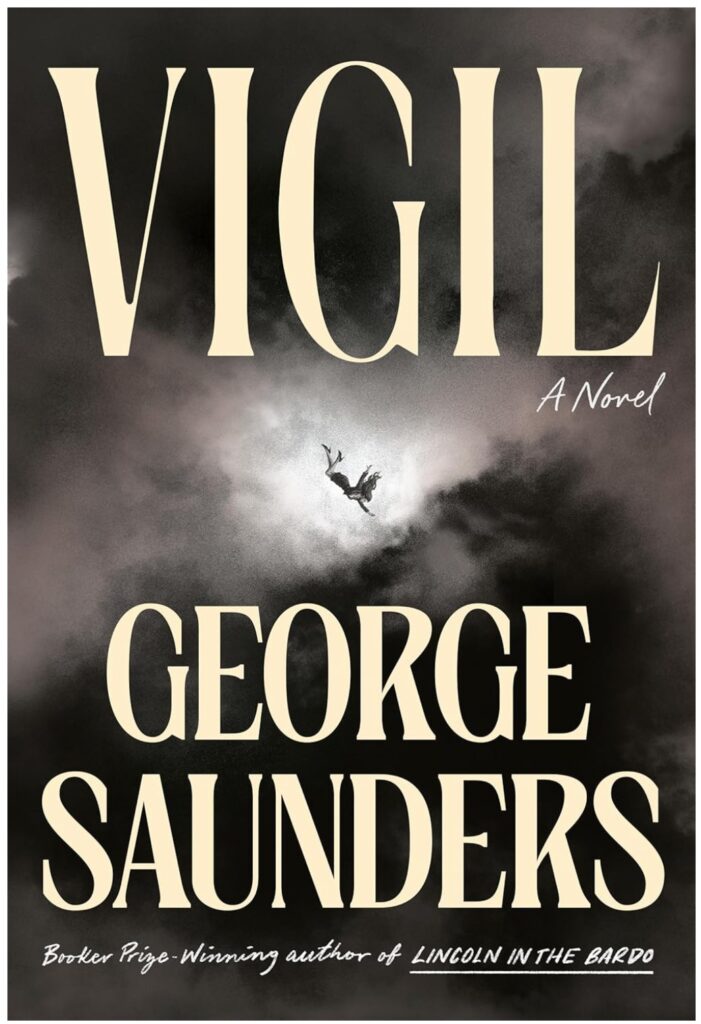
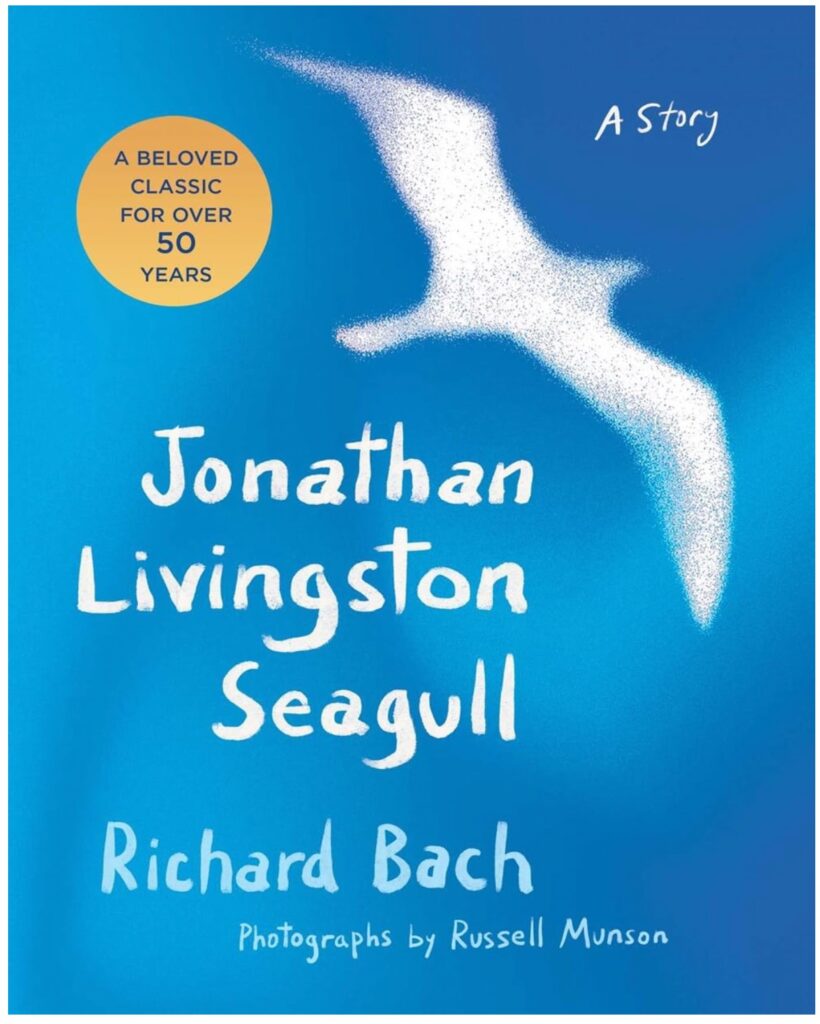
At times I’ll admit that the shenanigans in Vigil are somewhat difficult to keep track of: The story involves two angels who are playing a rather scrambled version of Clarence in Frank Capra’s It’s a Wonderful Life(1946), shepherding (somewhat) an oil baron in his last moments of mortal existence. At times the action is cartoony: The angels seem to plummet to Earth (from Heaven?) and land with a sharp splat, then dust themselves off and get to work. They bicker a lot. One of them is French, although his vocabulary is so simple even I could translate it. Like Lincoln in the Bardo (2018), there are stories within stories within stories. It creates a curious fabric to the narrative style: Part satire, part realistic histories, part wacky fun. At times I had trouble keeping up with the many shifts in perspective and had to return to an earlier passage to get my bearings. From the NY Times quasi-apotheosis of Saint George I would have expected the book to be preachy: It’s not. The Dwight Garner review of Vigil in the Times was decidedly mixed, and mentioned Richard Bach’s 1970s classic inspirational book Jonathan Livingston Seagull (1972)—which I loved as a kid—and I recognize why: The angels are wise, chippy, and zoom around the mortal realm, much as Jonathan Livingston Seagull zooms around his shorelines and seascapes. At times this zooming feels as if it’s leaping the storyline, performing its own kind of “jumping the shark” maneuver a la the TV sitcom Happy Days. But the shark that’s being jumped is the oil baron on his deathbed, and the overall arc is not toward preachiness and platitudes, but rather toward understanding and transcendence. Of course for anything we read or watch the thorny question ultimately arrives: But is it good? As I’ve admitted, I’m a biased narrator. You be the judge.