James Cameron's Metaphor of Climate Change as the 21st Century Iceberg to Our Big Oil Titanic, Plus a Shout-out to E.O. Wilson's new book "The Social Conquest of Earth" and the Coen Brothers classic "Barton Fink"

So I’m not exactly a huge fan of James Cameron films, full of over-the-top razzle-dazzle, some great images (such as the Titanic sinking, rising into the air and all the unfortunate passengers plummeting into the water) but enough bad melodrama to sicken multiple cruise liners full of moviegoers (such as in the same film, all that silliness of Billy Zane chasing Leo DiCaprio through the watery halls of the Titanic with a gun, like Snidely Whiplash). His most recent film Sanctum (2011) is something of a howler, and typical of many of his films: great images of underwater caving, silly melodrama about bad, greedy cavers vs. tough, stoic cavers. He’s been in the news recently for his deep-ocean dive to the bottom of the Marianas Trench, the deepest point in the ocean, which he filmed and will become a National Geographic special at some point. But his comparison of climate change to the iceberg that will sink our 21st century Titanic—basically Civilization As We Know It, in which our future is tragically bought and sold by Big Oil—is right on, and can be read, via ThinkProgress.org, here:
“Part of the Titanic parable is of arrogance, of hubris, of the sense that we’re too big to fail. Well, where have we heard that one before? There was this big machine, this human system, that was pushing forward with so much momentum that it couldn’t turn, it couldn’t stop in time to avert a disaster. And that’s what we have right now. Within that human system on board that ship, if you want to make it a microcosm of the world, you have different classes, you’ve got first class, second class, third class. In our world right now you’ve got developed nations, undeveloped nations. You’ve got the starving millions who are going to be the ones most affected by the next iceberg that we hit, which is going to be climate change. We can see that iceberg ahead of us right now, but we can’t turn.
“We can’t turn because of the momentum of the system, the political momentum, the business momentum. There too many people making money out of the system, the way the system works right now and those people frankly have their hands on the levers of power and aren’t ready to let ‘em go. Until they do we will not be able to turn to miss that iceberg and we’re going to hit it, and when we hit it, the rich are still going to be able to get their access to food, to arable land, to water and so on. It’s going to be poor, it’s going to be the steerage that are going to be impacted. It’s the same with Titanic. I think that’s why this story will always fascinate people. Because it’s a perfect little encapsulation of the world, and all social spectra, but until our lives are really put at risk, the moment of truth, we don’t know what we would do. And that’s my final word.”
And although I think Cameron is accurate in this assessment, he’s a lightweight compared to science writer E.O. Wilson, whose new book, The Social Conquest of Earth, has been published this month and is tops on my reading list. It begins with this lofty approach: “There is no grail more elusive or precious in the life of the mind than the key to understanding the human condition.” I love that phrase, “The life of the mind”—particularly when you hear it uttered by “Charlie Meadows” (aka Madman Munch, played by John Goodman) in the great Coen Brothers film Barton Fink (1991), as he’s running down the flaming hallway of the Hotel Earle, shooting his shotgun, yelling, “I’ll show you the life of the mind! I’ll show you the life of the mind!”

Posted in books, books/film, Climate Change, Film, Politics, The West, writing | Leave a comment

Big Friend Is Watching You, or Facebook Jumps the Shark. Plus No Fiction Pulitzer for 2012?

So I’ve been waiting out the Facebook contagion/timesuck as long as possible, and I still fend off its tentacles every now and then—”Why don’t you have any Friends, Bill? I have 2,893, and I keep in touch with all of them!” Part of me has been thinking it’s only a matter of time before something else New and Improved comes along. Well if it does, Big Friend will squash it like an online bug, or buy it up, which is what they did with Instagram just last week. If you’re interested, there’s a witty description of it here. Although I have to admit my anti-Facebook fervor has dimmed considerably of late. I find cellphones annoying, too, but hey, they’re handy. My landline is gone. Hohum. As a (real) friend of mine said once, after I complained about cellphones, “It’s a utility.” (That’s probably what the Devil says, too. “It’s not sin, it’s a utility! You’ll have more friends than you know what to do with!”)
Here’s something to really get riled up about: The Pulitzer committee decided not to award any prize in Fiction this year. Why? Because all the books sucked? A full explanation is not forthcoming, but there are more details here. My editor at the Dallas Morning News has asked me (and other reviewers) to nominate other possible winners, besides the three titles listed as finalists—Karen Russell’s Swamplandia, Denis Johnson’s Train Dreams, and David Foster Wallace’s The Pale King. I’ll take him up on that, and post it here when I’m done.
But I will share this now: For my graduate fiction class this spring I assigned two of the literary titles on last year’s best seller lists: Karen Russell’s Swamplandia and Tea Obreht’s The Tiger’s Wife. Neither was a popular favorite. The verdict on Swamplandia was that it was basically Fiction Lite, a bit flakey, YoungAdult literature seeping into the mainstream, and The Tiger’s Wife was a bit of a bore (and was not a Finalist, anyway). I wouldn’t choose Swamplandia for a Pulitzer, either. And David Foster Wallace? Don’t get me started.

Posted in books, Social Networking, writing | Leave a comment

The Birds Are Dying: Or in the National Wildlife Refuge, It Looks Like We Need "The Bird Saviors"

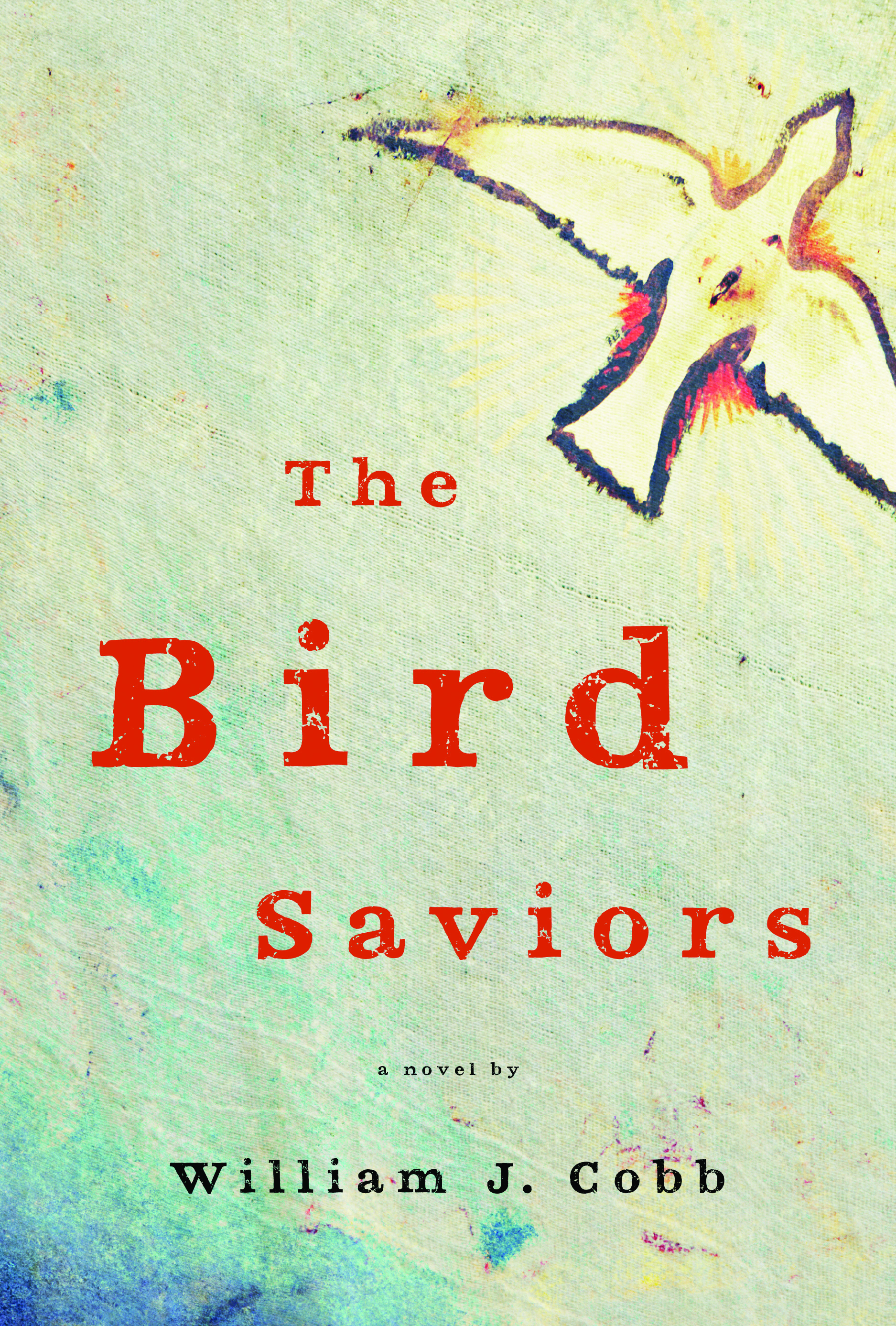
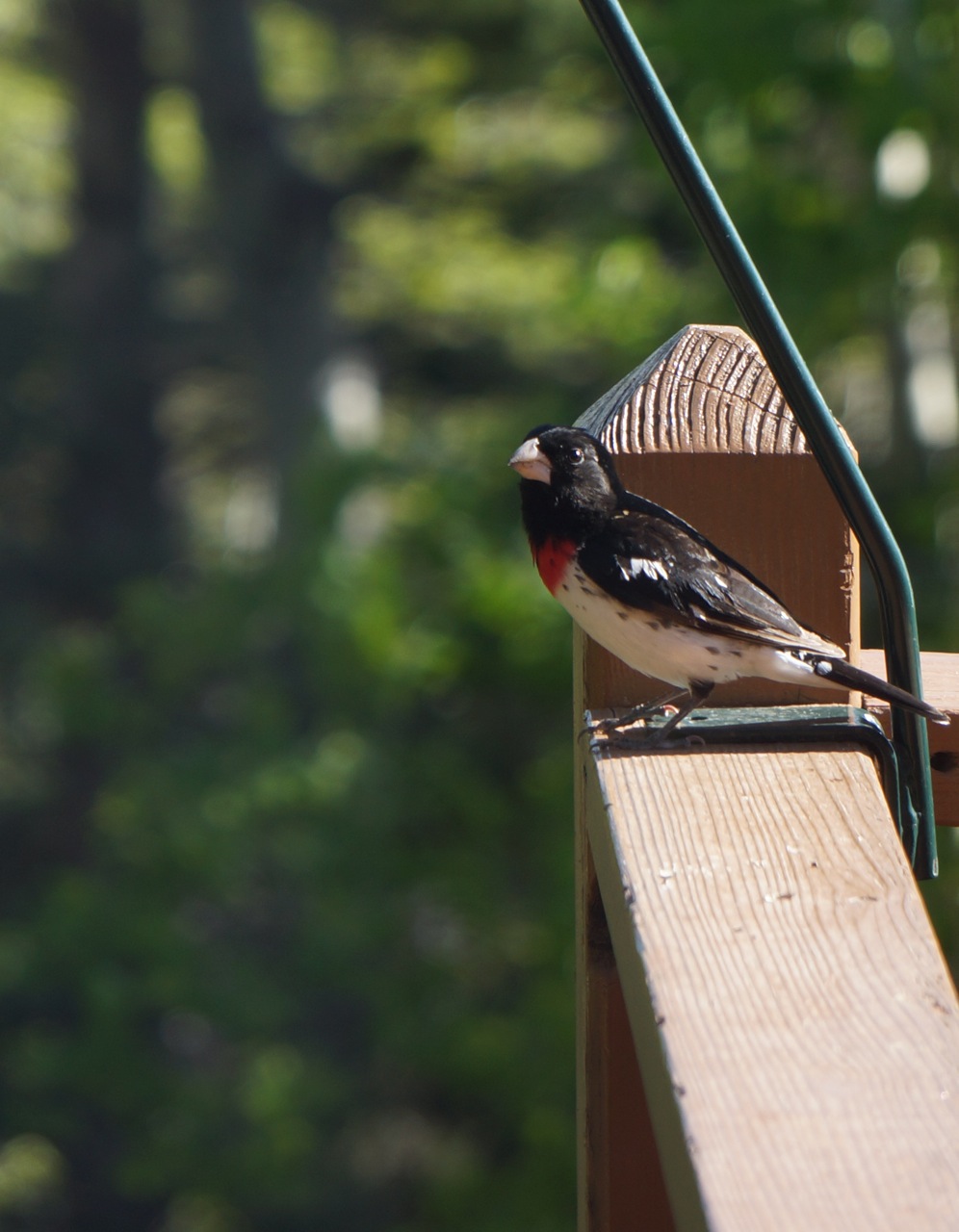
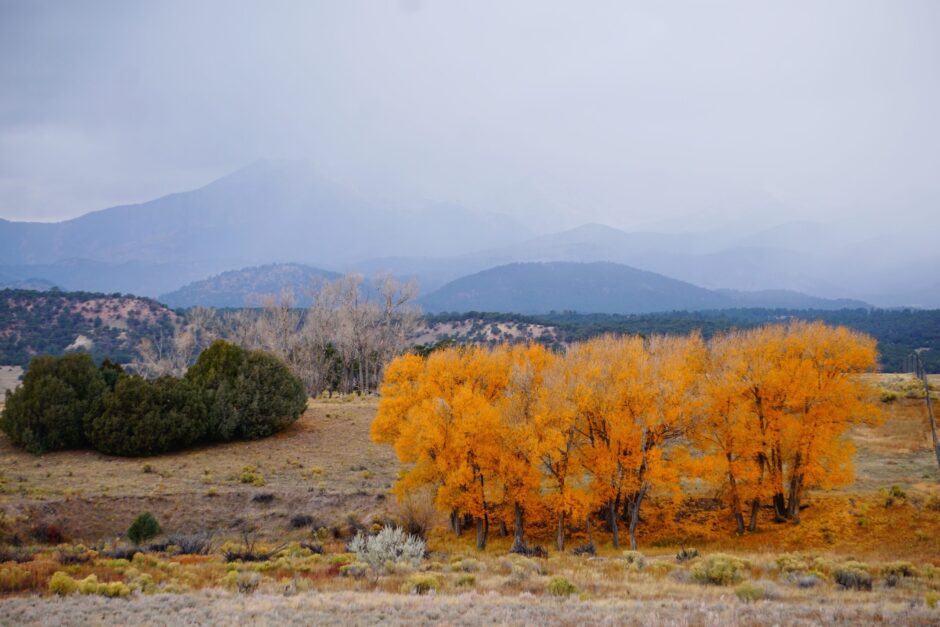
So more depressing news in the climate change/Western drought world. It seems that persistent drought conditions are drying up wildlife refuges in California, reported here. My new novel, due out June 21st, is titled The Bird Saviors, and one of the main characters is a field biologist (or should I say, more particularly, ornithologist) who is studying declining bird populations on the prairies west of Pueblo, Colorado. It’s a stark and haunting landscape, noteworthy for being the first foothills of the Rockies (the Wet Mountains, there) after the wide, flat expanse of the Great Plains stretching roughly from western Missouri all across Kansas and eastern Colorado. It’s my second-home turf, and I love it, though my home is actually another forty miles or so west of the area where most of the novel takes place.  And although I am most certainly a committed naturalist and card-carrying member of the ABA (American Birding Association), don’t assume it’s a book full of soap-box preaching. That would be a bore, and would be more appropriate for an op-ed piece or a blogpost. Instead, most of The Bird Saviors is full of the mischief and mayhem that humans do, including but not limited to: kidnapping ex-fiancees who won’t return engagement rings when they’re demanded back, polygamous pawn shop owners, modern day cattle rustlers, and a teenage mother (and casual bird expert) who is trying to do the right thing for her young daughter. One of my favorite characters is a badass Native American dude who is something of an avenging angel.

Posted in books, Climate Change, Politics, The West, Uncategorized, Weird Science, writing | Leave a comment

Be Careful of What That Next Climate Might Look Like, and Reflections on David Keys's "Catastrophe: An Investigation Into the Origins of Modern Civilization"

So Thomas Friedman in Sunday’s NY Times had a good piece about the environmental factors at play in the so-called Arab Spring popular uprisings, here. This is an aspect of climate change that usually gets ignored—political instability. I think everyone should quit commiserating about the drowning polar bears and realize the polar bear might very well be You. (“They’ll adapt,” they say: well, so will you, but it might be in ways you don’t want to imagine.) One of my favorite books of recent years was David Keys’s Catastrophe: Investigations Into the Origins of Modern Civilization (2000), a rather arcane but fascinating work of nonfiction/history. I’m not even sure how I stumbled upon this book years ago, but it’s an in-depth analysis of the aftermath of some chaotic natural event, most likely one included in that doomsday list often featured on Discovery Channel’s What We Fear the Most programming—Yellowstone’s Super Volcanoes, Asteroid Impacts, etc. Essentially Keys argues that an unidentified climate change event occurred in the late sixth century or seventh century: his theory is that it was a super-eruption of the volcano Krakatoa. But exactly what caused it is less important than its effects: A world reorganization. The rise of Islam, the fall of (what was left of) the Roman Empire, among other major events. Population shifts in Northern Europe.
And take a gander at this little taste of things to come, via the Weather Channel’s webpage, here:
“Last week we revealed the dozens of cities that had their warmest March on record. Now we have the official word from the National Oceanic Atmospheric Administration (NOAA) that March 2012 was the warmest March on record in the contiguous United States.In addition, the January through March period of 2012 was the warmest first quarter of the year on record. Records date back to 1895 in both cases.
NOAA also released information stating that the early March tornado outbreak in the Ohio Valley and Southeast was the first billion-dollar weather disaster of 2012. The total damage cost is estimated to be $1.5 billion. This comes on the heels of the record-breaking fourteen billion-dollar weather disasters we saw in 2011.
NOAA’s full report on March 2012 will be released at 11 am on Monday, however here are some of the quick facts that we have so far:
– 25 states east of the Rockies had their warmest March on record
– An additional 15 states had a top ten warmest March
– The average temperature of 51.1 degrees was 8.6 degrees above the 20th century average for March and a half degree warmer than the previous record warm March set in 1910.”
Right. 8.6 degrees warmer than average.

Posted in books, Climate Change, Politics, The West, Weird Science | Leave a comment

Colorado in Drought and Further Reflections on Michael Mann's "The Hockey Stick and the Climate Wars," Or What's That Hot Breath on Our Necks? The Dry of Things To Come

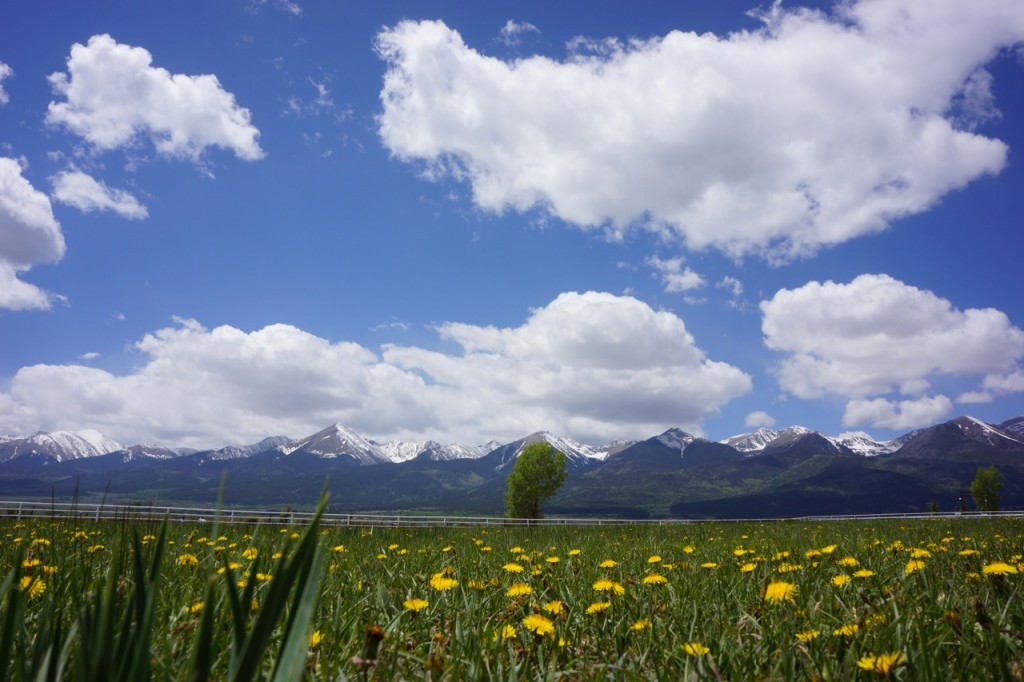
So Michael Mann’s The Hockey Stick and the Climate Wars is one of the best books that deals with both global warming/climate change and the politics surrounding it, especially the “despicable me” world of climate change deniers. I’ve read many books on the subject of climate change, some of them quite good—such as Tim Flannery’s The Weather Makers (2006) and, more recently, Here on Earth (2011)—and some of them rather tepid, such as Mark Hertsgaard’s Hot: Living Through the Next Fifty Years (2011). Much of Mann’s book describes his analysis of past climate events and how he and other scientists have tried to reconstruct past climate via climate models, the better to understand how we could be affecting the climate of the future. He explains how his use of the term “censored” in a technical way was used by the climate change deniers who hacked into his emails to make it look as if he were censoring data that did not fit his “agenda,” which was a complete distortion. He also explains much about climate science, and some of its theories and implications, that relate to our present predicament. For instance, some of his data about the past implies that a damaging La Nina-like pattern could emerge and recur over the Southwestern U.S. and lead to a persistent drought. In keeping with that, an article in ThinkProgress.org that notes most of Colorado is in a drought right now, with the effect of persistent, back-to-back La Nina events, here.
I care about this greatly because I live part-time in Colorado, and love it. I don’t want it to look like Arizona in a few decades (although I’m tempted to add a Seinfeldian “Not that there’s anything wrong with that!” as a shout-out to all those Arizonans who love their desert). Here’s one of my neighbors, who also doesn’t like the idea of drought:

Posted in books, Climate Change, Politics, The West, Uncategorized, Weird Science | Leave a comment

On Reading Michael Mann's "The Hockey Stick and the Climate Wars" As the Year Without a Winter Segues into a Freakishly Warm Spring

So I’m now reading Michael Mann’s book The Hockey Stick and the Climate Wars, which is an inside look at the so-called “Climategate,” or perhaps more accurately the Right Wing/Big Oil Specious Attack on Climate Scientists. For those not familiar with this whole embarrassing intersection of science policy and ugly politics, here’s a few paragraphs from the prologue, that establishes Mann’s role:
“On the morning of November 17, 2009, I awoke to learn that my private e-mail correspondence with fellow scientists had been hacked from a climate research center at the University of East Anglia in the United Kingdom and selectively posted on the Internet for all to see. Words and phrases had been cherry-picked from the thousands of e-mail messages, removed from their original context, and strung together in ways designed to malign me, my colleagues, and climate research itself. Sound bites intended to imply impropriety on our part were quickly disseminated over the Internet. Through a coordinated public relations campaign, groups affiliated with the fossil fuel industry and other climate change critics helped catapult these sound bites onto the pages of leading newspapers and onto television screens around the world. A cartoon video ridiculing me and falsely accusing me of “hiding the decline” in global temperature was released on YouTube and advertised through a sponsored link that appeared with any Google search of my name. The video eventually even made its way onto the CBS Nightly News. Pundits dubbed the wider issue of the hacked e-mails “climategate,” and numerous investigations were launched. Though our work was subsequently vindicated time and again, the whole episode was a humiliating one—unlike anything I’d ever imagined happening. I had known that climate change critics were willing to do just about anything to try and discredit climate scientists like myself. But I was horrified by what they had now stooped to. . . .
“For more than two decades, in their efforts to inform the public about climate change and its potentially disastrous consequences, scientists have run up against powerful vested interests who either deny that such change is occurring or, if it is, that human activity plays much if any role in it. I have been privileged to be part of this scientific effort and, indeed, at times singled out in the ensuing conflict. My story is that of a once-aspiring theoretical physicist, driven by a curiosity about the natural world, who wound up as a central object of attack in what some have characterized as the best funded, most carefully orchestrated assault on science the world has known.”
Meanwhile the chorus of climate-change deniers echoes down the halls of the Republican-controlled House of Representatives (who have just passed a Feed the Rich/Screw the Poor budget proposal), here are some freaky links about what has been unfolding the last month:
http://thinkprogress.org/romm/2012/03/22/448839/march-madness-unprecedented-event-modern-us-weather-records-began/
and
http://usnews.msnbc.msn.com/_news/2012/03/25/10853227-march-has-meant-6000-weather-records-broken
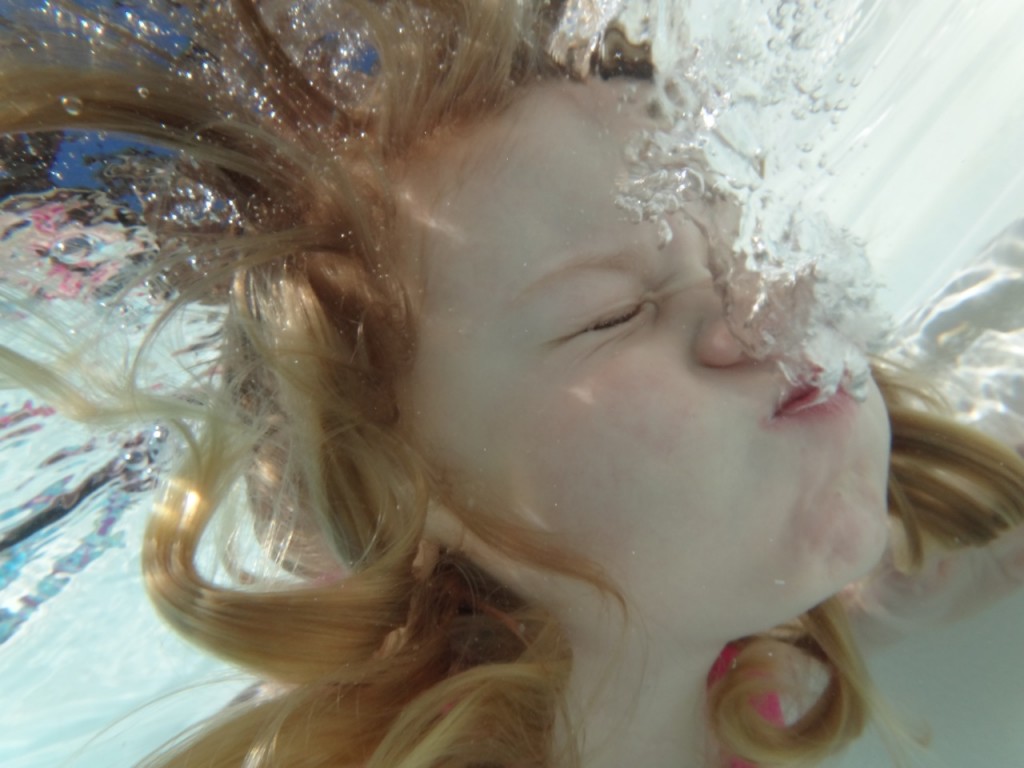
As is no doubt obvious, if one must take sides, I’m on the side of science, intelligent inquiry, and of acknowledging that we must take steps now to try to preserve the world for our children’s future. Here’s my daughter’s face after I explained to her the effects of Global Warming:

Posted in books, Climate Change, Politics, The West, Weird Science | Leave a comment

Review of Noah Hawley's "The Good Father" in the Dallas Morning News

So here’s my review of Noah Hawley’s new novel, The Good Father, published Sunday in the Dallas Morning News (click the hyperlink ‘review’). I liked the novel, even if it’s ultimately a downer story, of a father searching for the innocence of his son, only to discover that this innocence is lost, and his son is too. Hawley is a screenwriter, and has worked on various TV shows (Bones, My Generation, The Unusuals), which is an interesting dynamic, in that usually you hear of novelists who spend some time (or make some money) writing screenplays now and then—Cormac McCarthy wrote No Country for Old Men first as a screenplay, but when he couldn’t find a buyer for it (or someone to produce it), he wrote the novel—and the rest, as they say, is history, with the Coen Brothers film No Country for Old Men (2007) winning Best Picture in 2008. (McCarthy has also recently sold a new screenplay, as I reported not long ago.) But Hawley’s career seems the flip side of that. I mention in the review that the novel bears more than a passing resemblance to the plotlines of both Martin Scorcese’s Taxi Driver and Jon Krakauer’s Into the Wild, which is an interesting combination.

Posted in books, Film, Politics, The West, writing | Leave a comment

Further Reflections on Scenes Cut From the Film Version of Cormac McCarthy's "The Road," Or Films You Wish You Had Seen, and Some You Wish You Had Not

So being a diehard Cormac McCarthy fan (and more than just a little bit suspicious), I feel the hand of God or Fate or Providence in the fact that one of my students this semester was an actor (Baby Eater No. 3! he notes) in John Hillcoat’s film of The Road (2009), and he has directed my attention to an article published in Penn State’s campus newspaper The Daily Collegian that gives a bit more information about his role, and includes some humorous inside dope, such as his mother (like, Thanks, Mom!) drawing his attention to the casting call, which asks for “very pale, skinny bearded men.” Here’s the url:
http://www.collegian.psu.edu/archive/2009/02/09/student_takes_road_trip_appear.aspx
The only sad part of that story is that the scene was cut from the film in the editing process. I’m sure Andy was bummed. I would have been. It’s like you were going to be on “Who Wants to Be a Famous Cannibal?” and they canceled the show. I’ve already written how I wasn’t surprised to hear that scene was excised from the film, considering it comes late in the novel and, in my phrasing, “seemed a bit much.” But still I’m going to ask Andy if he has a copy of the cut scenes, and if possible, post it here. I’ve seen a lot of bad movies lately . . . . I bet it’s better than Jeepers Creepers (now showing on Netflix) or The A-Team (via DirecTV). Of the two, The A-Team (2010) is really the big-budget stinker, with Liam Neeson slumming in the role of Hannibal and (The World’s Most Sexiest Man) Bradley Cooper as “Face.” I actually kind of liked the original trashy TV show, which was making fun of itself and having fun with the absurdity of its premise, but this overdone remake actually takes the idiotic premise seriously, and ruins all the fun. I would have been better off staying home and washing my hair, which really needs it.
George Peppard played the original Hannibal on the TV show, and did a great job in the role full of comic bluster and machismo, vanquishing bad guys each week, somehow managing not to kill anyone, because everyone knows that’s kind of a downer on network TV shows. For cineastes Peppard is probably now most famous for playing (the heterosexual version of) Paul Varjak opposite Audrey Hepburn in Breakfast at Tiffany’s (1961): During the filming, he was reportedly despised by other cast members and Hepburn herself, gossip revealed by a recent biography of Hepburn.

Posted in Art, Bad TV, books, books/film, Film, The West, writing | Leave a comment

Does Sarah Palin Know Where Germany Is? and a Shout-Out for Mark Leyner's new novel, "The Sugar Frosted Nutsack"

So last night I caught HBO’s film Game Change, about Sarah Palin’s (improbable? nightmarish? absurd?) role as John McCain’s veep in the 2008 election, and it’s surprisingly good. Why surprisingly? I’m not a huge fan of biopics/reenactments of contemporary events, though HBO actually has a good track record in that genre, with Recount (about the 2000 election and debacle in Florida) and Too Big To Fail (about the 2008 financial meltdown) both being excellent films, and stylistically/thematically similar to Game Change. At one point it shows McCain’s (and the GOP’s, it implies) foreign policy advisors coaching Palin, pointing to a map and saying, “This is Germany.” It’s funny, painful, and fascinating all at once. Julianne Moore makes you sympathize with Palin, too, as a person in way over her head, not all of her own doing. Woody Harrelson is the other major player in the film, as one of McCain’s advisors/strategists in charge of coaching Palin, who at one point says to another advisor, “I haven’t even told John that she doesn’t know anything.” Ed Harris does a good job playing McCain, too, and actually makes McCain seem more likable, and even honorable—or at least embarrassed by how badly his campaign veered from his principles.
And this morning I was thrilled to see that Mark Leyner has a new novel coming out soon, titled The Sugar Frosted Nutsack. I’m a Leyner fan and consider him one of the wackiest, funniest contemporary fiction writers around. The Tetherballs of Bougainville (1997) is my favorite book, with a long rant about New Jersey’s State Discretionary Execution policy that made me laugh till it hurt. Somehow I think Sarah Palin as possible President of the USA and Mark Leyner with a new novel (his first in 15 years) in the same blog makes weird sense.

Posted in books, books/film, Good TV, Politics, writing | Leave a comment

Guns & Bunkers: Or How to Enjoy "Doomsday Preppers" and the Truth About That Asteroid Crashing Into a Crater Near You

So the quirkiest angle of the success of Cormac McCarthy’s The Road (2006) was that we could all recognize what Discovery Channel shows Cormac had been watching, once you realize that the mysterious cataclysm that has befallen the world is some kind of “impact event,” to use the scientific (or quasi-scientific) term for a big asteroid/comet hitting the earth and causing mass destruction. One of the most intense (happy, almost) moments of the novel occurs when the father and son stumble upon a doomsday bunker of sorts in a back yard, one that is stocked with Canned Goods for the Apocalypse, one that saves their lives. After the grimness of the novel leading up to that moment, it’s a ray of light in a bleak world.
Enter the Discovery Channel’s and the National Geographic Channel’s new programs about just the kind of people who would build such bunkers, “Doomsday Preppers” and “Doomsday Bunkers”—as opposed to Doomsday Debunkers, which would be a different program altogether. “Doomsday Preppers” is amusing in a queasy, gruesome, black-humor mode: Most of these people look like they need a diet and some yoga to chill out, and perhaps some visits with a therapist, as well (not that it would help). One woman expects the government to declare martial law and “take over” in the next year or two: Take over what? Doing my laundry? I hope so. Answering my email? Go for it. Somehow, I’m guessing that’s not what she means by the things they would “take over.” It frankly seems part of the nutty Obama-is-after-our-guns myth that has been promoting gun sales to record levels, even though Obama is doing no such thing.
A TV critic in the NY Times has some funny (and some serious) observations about these programs, here:

But I think the reality behind these preppers is: They actually want the Apocalypse to come. Not in a rational way, but in an irrational, religious-extremist kind of way. If you spend much of your time & energy (& money) preparing for such an event, won’t you be somewhat chagrined if/when it doesn’t happen? That’s what fuels the phrase, “It’s not If, but When.” If the phrase is edited to be “Probably Never or in a Long Time or When We Least Expect It Is More Accurate,” it’s not much of a selling point.
We all want something big to happen in our lives. But some more than others.

Posted in Bad TV, books/film, Climate Change, Good TV, The West, Weird Science | Leave a comment