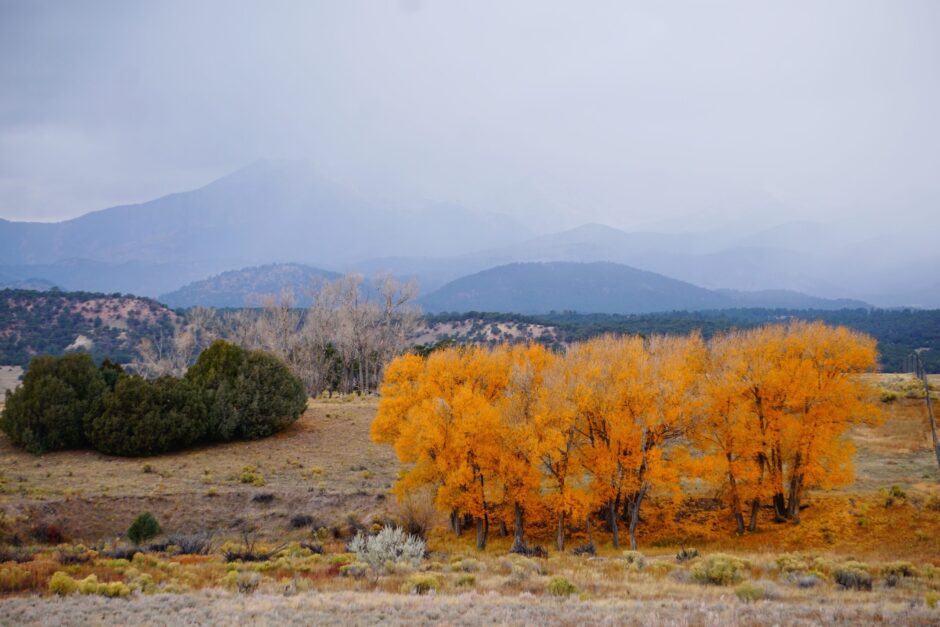
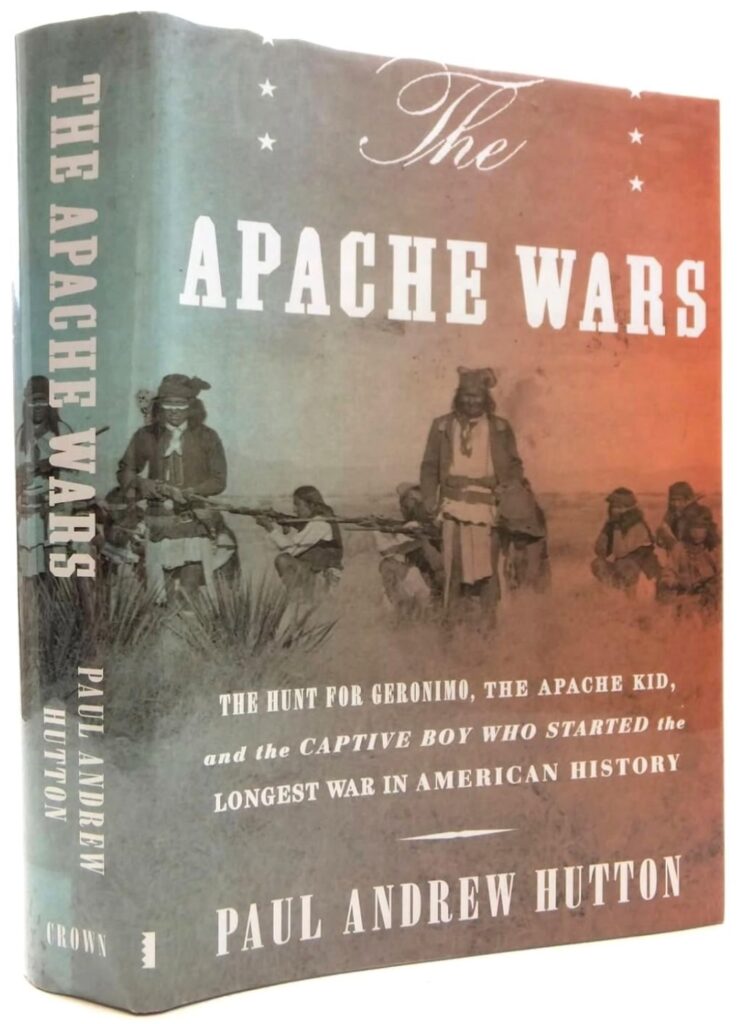
So as an aficionado of Old West histories I’ve stumbled onto a real gem: Paul Andrew Hutton’s The Apache Wars: The Hunt for Geronimo, the Apache Kid, and the Captive Boy Who Started the Longest War in American History (2016). I should first mention that in the last month I’ve picked up and discarded several nonfiction histories of the West, two of them concerning the history of New Mexico. Why? They simply weren’t worth the reading time. A good history vivifies the past and helps you understand its importance events and cultural/historical ramifications, and it takes a certain kind of skilled writer to pull that off. While I was disappointed in these failed books I won’t name names: I’d rather celebrate good writing than nitpick bad. And as chance would have it, I happened to read a description of Hutton’s The Apache Wars and bought it, quickly became hooked. I’ve been binge-reading ever since.
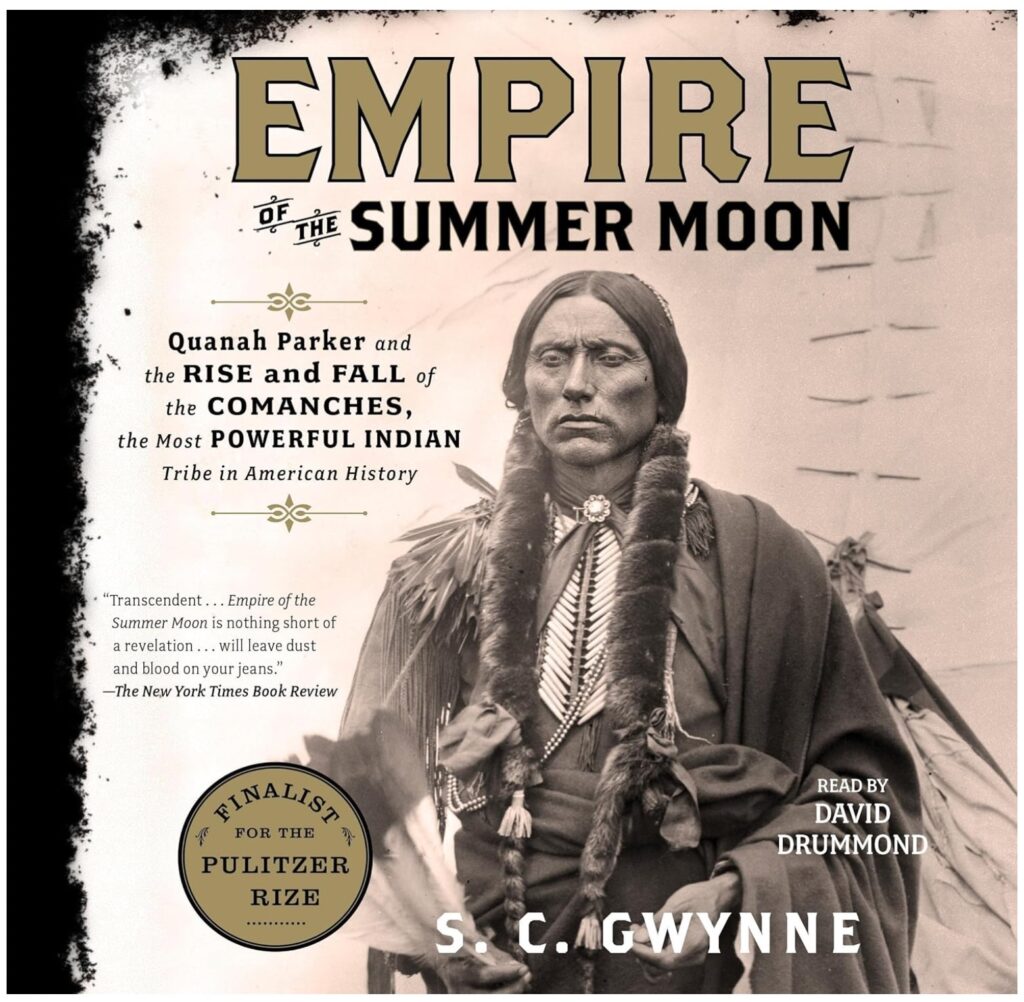
Quotes about the book compare it to S.C. Gwynne’s Empire of the Summer Moon and I second that, although I think I favor The Apache Wars over Empire. Both are quite good, both gripping page-turners, and both about Native American tribes of the Southwest: Empire concerns the Comanches while Wars obviously concerns the Apaches. Although their territories in the Southwest overlapped the two tribes were not in league, and were actually mortal enemies. They fought tooth-and-nail for dominance in the southern Great Plains. The Comanches essentially won and forced the (Lipan) Apaches into far West Texas, although the heart of Apacheria was actually western New Mexico and Arizona. (There were several bands of Apaches and the Lipan’s territory overlapped with the Comanche.)
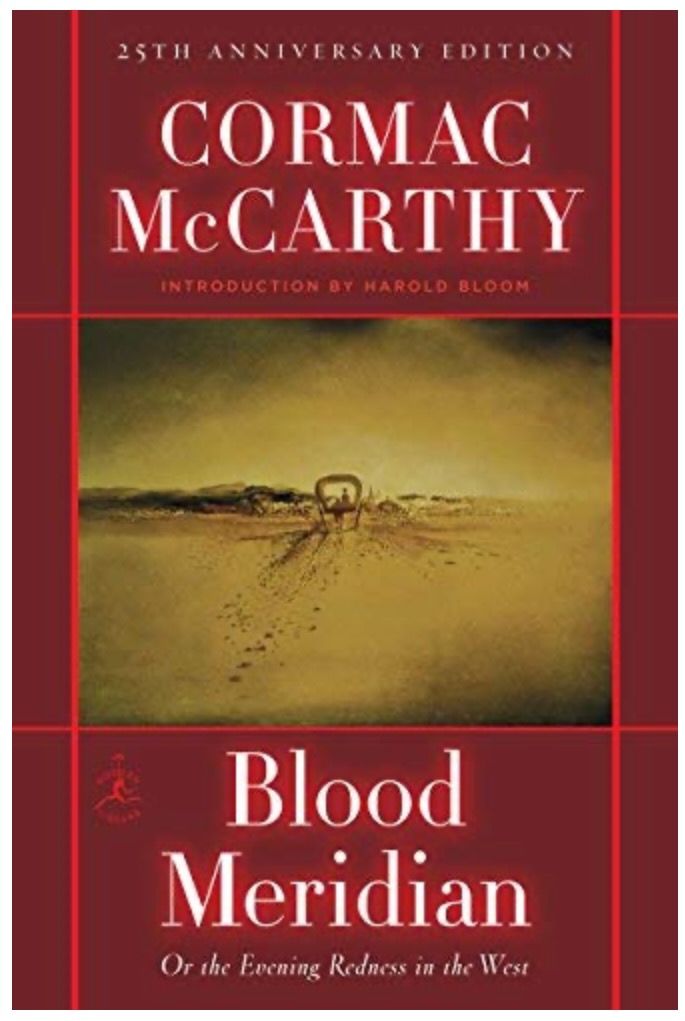
The Apache Wars has an excellent structure to frame its detailed account of the conflict from 1861 to 1886, using the kidnapping of the white boy Mickey Free as its touchpoint. As with the Comanche wars, trouble between settlers and Natives began much earlier than that, as soon as the westward expansion heated up in the late 1830s and into the 1840s. For many readers the most famous and visionary depiction of this era unfolds in Cormac McCarthy’s classic novel of western frontier brutality, Blood Meridian (1985). There are passages in Wars that seem lifted straight out of Meridian, although it actually must have been the other way around: It seems McCarthy researched both Apache and Comanche history, and came across scenes that he used later in his description of the Glanton gang.
In particular is this incident detailing the actions of the mercenary Irishman James Kirker:
“In July 1846, Kirker achieved true infamy when he conspired with the leading citizens of Galeana, Chihuahua, to lure a mixed band of Chokonen and Nednhi Chiricahuas into town with promises of a peace treaty and rations. Negotiations were held between the Mexicans and the Apaches while Kirker and his men hid themselves. A pledge of eternal peace was secured and to cement the bargain a liberal disbursement of whiskey was provided. On the morning of July 7, while the Apache men lay in a drunken stupor after a nightlong fandango, Kirker and his land pirates slaughtered 130 Chiricahuas.
“Spybuck supervised the scalping, for his Shawnees had perfected a rapid technique. A neat circle was cut at the crown of the victim’s head. The scalper then grabbed hold of the Apache’s long hair and pushed off with his feet against the victim’s shoulders. A loud pop followed as the scalp came off. The scalps were taken to Spybuck, who treated them with some salt for preservation and attached them to long scalp poles. Each scalp was a debit against the treasury of the state of Chihuahua.
“Kirker marched his men into Chihuahua City in a grand procession headed by the governor and several priests, with musicians escorting them into the town in triumph. They carried the Apache scalps before them on long poles. In the fiesta that followed, the priests ornamented the front of their church with the scalps. “Opposite the principal entrance, over the portals which form one side of the square, were dangling the grim scalps of one hundred and seventy Apaches,” noted an English visitor, “who had been inhumanely butchered by the Indian hunters in pay of the state.”—Hutton, The Apache Wars, p20-21.
For those unaware of the stature of McCarthy’s Blood Meridian, know that it was ranked by a group of editors/writers as the second best novel of the past 50 years (I believe Toni Morrison’s Beloved was #1). In it McCarthy does a masterful job of turning history and legend into an artistic epic that is both beautiful and awful. Hutton’s The Apache Wars, a nonfiction work, provides great context and understanding to this era, and reinforces the visions of McCarthy.