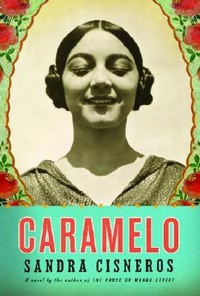
Sandra Cisneros in Person, Complete With Reboso, as in Her Novel "Caramelo"

So I’ve been swamped with end-of-the-semester work lately, with no time to stop and think or write, but this week at Penn State we’ve had Sandra Cisneros as a Writer-in-Residence, and she’s been fantastic—gracious, kind, and inspiring. On Monday night she gave a talk to a huge audience of students at the State Theater, and answered all their questions, even the baffling or difficult, like one from the kid who stepped up to the microphone and asked her, “I’m about to graduate and I’m not sure what to do with my life. Should I become a writer like you?” We had a reception for her at my home on Tuesday night, and I got a chance to talk with her. We’d both spent time at the fabulous Paisano Ranch near Austin, Texas on writing fellowships there, and she’s living in San Miguel de Allende in Mexico now, where I once had to run nearly a mile to catch a train that had already left the station, with my luggage aboard (and me with a splitting headache from a tequila hangover, to boot). I love her novel Caramelo (2002), and have taught it before. She described its narrative technique through a metaphor of weaving the various strands of colored thread in a caramelo-colored reboso (a type of Mexican shawl) that is a centerpiece of the novel. (A fan of hers also gifted her a reboso at the beginning of the event, which was sweet.) She also lives in San Antonio, which is close to my heart, the Texas Hill Country locale where I grew up. She’s one of the great writers from our Southwest, my favorite region of all.

Posted in books, The West | Tagged , , , , | Leave a comment

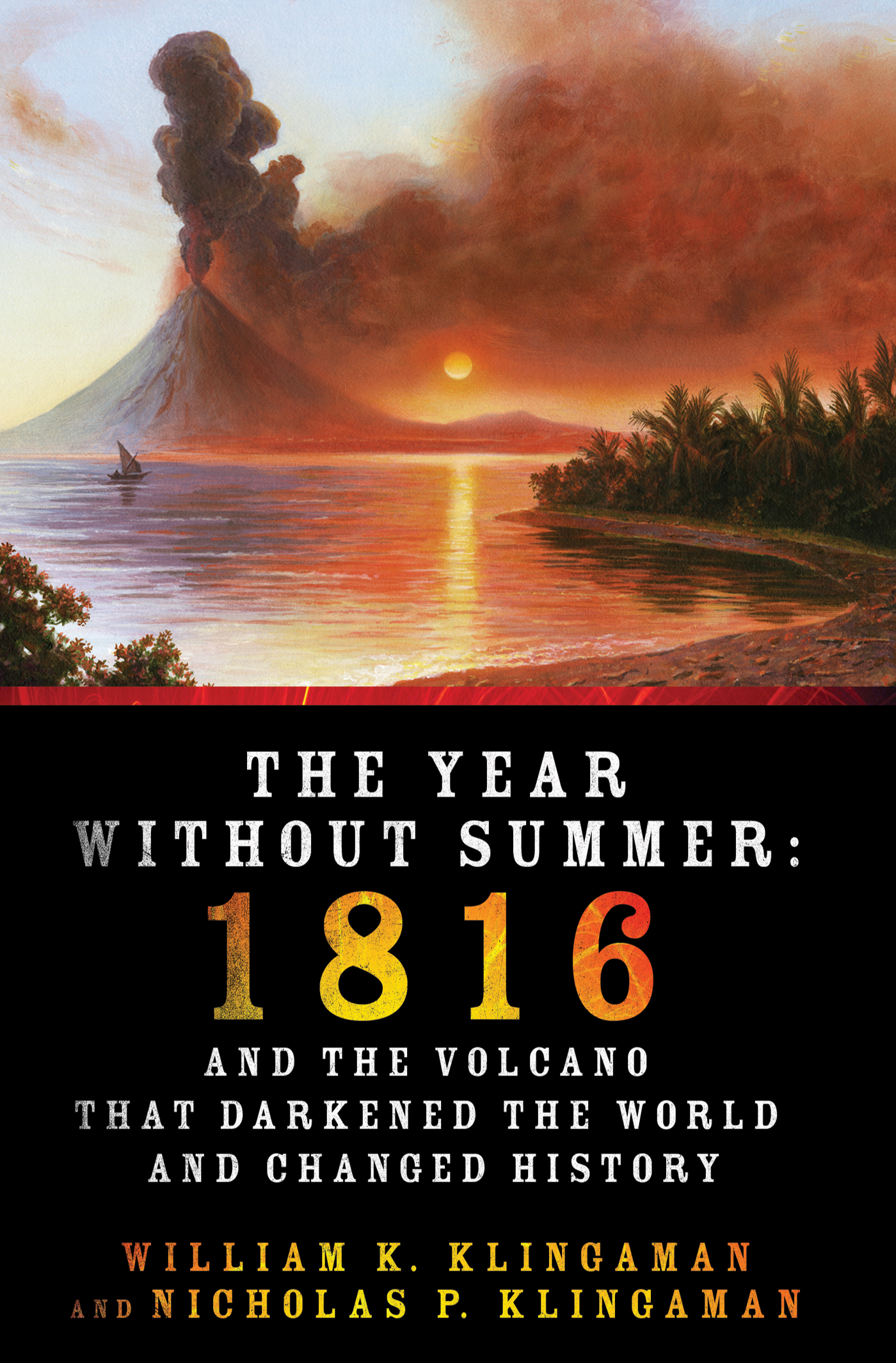
Brace Yourself for Weird Weather: On Reading "The Year Without Summer" in the Year Without a Spring

So one of the reasons books like William and Nicholas Klingaman’s The Year Without Summer: 1816 have much resonance at the moment is that scientists are warning we’re at the cusp of a period of chaotic and unpredictable weather, due to climate change, and (for worse) we probably have to get used to it. It’s actually a fascinating book, with juicy cultural tidbits spicing up the stew of just how bad the weather in North America and Europe was after the eruption of Mount Tambora in April 1815. Here’s an observation about Ireland in that time period:
“The great majority of Ireland’s rural population—probably between 75 and 80 percent—resided in the poorer classes of small tenant farmers, cottiers, and laborers. They typically lived in mud cabins, the meanest of which consisted of ‘a single room, a hole for a window with a board in it, the door generally off the hinges, a wicker-basket with a hole in the bottom or an old butter-tub stuck at one corner of the thatch for a chimney, the pig, as a matter of course, inside the cottage, and an extensive manufacture of manure . . . [taking place] on the floor.’ Straw often sufficed for beds; the only cooking utensil a large iron pot; and stumps of fir trees for chairs” (123).
But mainly what it describes is a litany of misery caused by the quickly changing climate. Fortunately for the people of the 19th century, this was a relatively short-lived shift, limited to the few years when the volcanic ash greatly affected the climate. What we’re now doing will likely affect the climate for centuries. In today’s New York Times there’s a good article about changes in a South America glacier, noting that 1,600 years of ice melted in a mere 25 years, here. Brace yourselves, citizens. The weather is going to get freaky. This spring is awfully late in arriving. Not that this is “caused” by climate change, but still. I’m ready for some green.

Posted in books, Climate Change, The West, Weird Weather | Tagged , , , , | Leave a comment

"The Year Without Summer: 1816 and the Volcano That Darkened the World and Changed History" by William K. Klingaman and Nicholas P. Klingaman

So I’m reading William K. Klingaman and Nicholas P. Klingaman’s The Year Without Summer: 1816 and the Volcano That Darkened the World and Changed History (published just last month), which is billed as similar to Simon Winchester’s outstanding Krakatoa: The Day the World Exploded (2003), and so far it’s living up to that comparison. I’m fascinated by past examples of climate change, not only for the insight into history these accounts provide—David Keys’s Catastrophe (1999) is still one of the best—but also for the implication they have for our future. The Year Without Summer (a title that provokes a memory of that animated favorite, The Year Without a Santa Claus) is about the eruption of the volcano Mount Tambora in Indonesia in April 1815, but it’s scope stretches far beyond the geology of the volcano (though it covers that aspect as well) and into the cultural/political spinoff effects. 1816 is famous for being the year that Mary Wollstonecraft Shelly wrote Frankenstein (and while staying at the same estate in Switzerland with Percy Bysse Shelly, John William Polidori wrote The Vampyre, known as one of the earliest vampire tales in English). Legend has it the summer was so cold and dreary they had to stay inside and tell or write spooky stories. What is well documented is that crops failed disastrously in New England and elsewhere, causing cultural and economic upheavals. It’s like The Day After Tomorrow, only in reverse—more like Two Centuries Before Yesterday. Well, not quite.

Posted in books, Climate Change | Tagged , | Leave a comment

Review of Jim Crace's "Harvest"

So my review of Jim Crace’s new novel, Harvest, appeared Sunday in the Dallas Morning News, here. I liked the book, mainly for its style more than its subject or story, which was taken to task in an interesting review in The New Republic, here. (Note: I only read that review after mine had been published, maintaining a policy of not reading reviews of books I’m reviewing until after mine is done, so I won’t be corrupted.) Apparently Crace has threatened to “retire,” though that’s kind of amusing, seeming somewhat overwrought and precious. But that doesn’t change my mind about the book. It’s graceful and memorable in its own way.

Posted in books, Uncategorized, writing | Tagged , , | Leave a comment

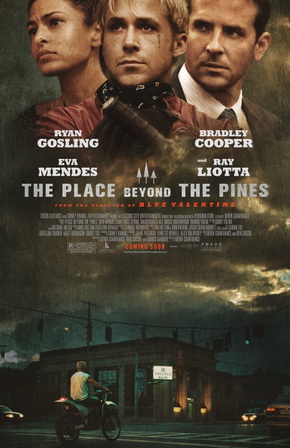
Review of "Oz: The Great and Powerful," Plus "The Paperboy" Meets "The Master"

So last night I stumbled into the new James Franco/Mila Kunis special effects love-a-thon Oz: the Great and Powerful, and could easily do one of those catty, snarky Hollywood send-ups that go, “It was like The Princess Bride meets The Lord of the Rings, with a dash of MacGyver thrown in for seasoning.” Which would be more or less accurate, but also shallow and glib. Since it’s just out this weekend, I won’t blurt out any spoilers here, but will say the China Girl was my favorite character. It’s borderline scary for young children, though my six-year-old daughter (who seems afraid of nothing) liked it. Some great visuals, which is not surprising. I read the NY Times review that lamented how the new Oz fell well short of the original 1939 masterpiece. But that doesn’t surprise us, does it? What perhaps is most surprising is how good the original is. But my recent viewing did not stop there, in the land of Oz . . . .
Being a Pete Dexter fan, I couldn’t wait for his novel The Paperboy to be filmed, but heard less-than-enthusiastic reviews of it once it came out. Plus it wasn’t showing anywhere close to me when it did appear in theaters (and I was living in deepest darkest remotest Colorado), so I’ve just recently seen it. I have to admit I was disappointed. Nicole Kidman was on the mark, almost perfect as the in-love-with-deathrow-inmate skank, and she was most of the fun of the movie. But at times it didn’t make much sense, lacking much of the context and cohesion of the novel, which is about sex and journalism and family and fame and a decidedly swampy Florida backdrop. Best scene: an outrageously horny Nicole Kidman, languishing in a car outside the prison gates. Truly weird. But the end seemed quite different, and much more “Hollywood,” than the novel. So the cliche of “The novel was much better” is true in this case, and I walked away a disappointed fan.
Same goes (I will not say “Ditto”) for Paul Thomas Anderson’s The Master, which I was looking forward to, read some glowing reviews of, then noticed that no one seemed to be saying good things about it once it hit the theaters. It’s similar to the mood of Anderson’s There Will Be Blood, but Blood had much more complexity and clarity. Joaquin Phoenix is Freddy Quell, an alcoholic weirdo bumbler of sorts, the main focus of the film, and most of it focuses on his interactions with Phillip Seymour Hoffman as Lancaster Dodd, an L. Ron Hubbard stand-in of sorts. Freddy is searching (for meaning? for answers to his drinking problem?) throughout the film, but what it has in common with The Paperboy is a high HQ (Horny Quotient). When the film ends with Freddy having sex with a strange woman he just met, and laughing, it does seem that’s all he really needed all along, which is funny in a sardonic way.

Posted in books/film, Film, Nicole Kidman, Pete Dexter, Uncategorized | Tagged , , , , | Leave a comment

On "Medicated Barbies" & (a World) Not Safe for Facebook, Plus Tanning Moms and Pirates

So I’ve become a (sometimes reluctant, but who isn’t?) user of Facebook—or that infection otherwise known as “social media”—though I’m pretty intermittent, maintaining some self-discipline to only log on when I have the time (yeah, right). I told a friend I’ve gotten down to a few minutes a day (check True/False): But I do try to have fun with it when I’m on, usually joking around with old friends. (And where’s the harm in that?) I saw with some satisfaction that our Overlords at FB are doing a redesign (an article about it appeared yesterday in the NY Times, here), which I’m all in favor of, considering FB as it looks now is one of the ugliest, most-cluttered webpages I visit. And when she sees those annoying ads in the margins, my daughter keeps asking me, “Who wants you to date older women, Daddy? Are you going to divorce Mommy?” And I’m like, “No, Darling. That’s just the Facebook cartel, trying to sell people. Can you spell human trafficking?”
But besides the bad design, I’ve noticed that FB makes us all so polite, due to the public nature of making comments that can be viewed by the many “friends” we have. I’ve coined a term: NSFB, Not Safe for Facebook. It’s like NSFW (Not Safe for Work), but instead of risque images, it refers to an anecdote/quip I want to tell a friend, but don’t want to paste it on the site for all to see. Like my idea for a new Medicated Barbie: She’s rather sleepy, moody, and petulant. Her hair’s a mess but she has a ton of hot clothes. You have to coax and plead with her to get her to come out of her box. And you can make her talk if you call her on the tiny cellphone accessory, but all she says is a lazy, drawling, “Whatever.”
But if I put that on FB, I’m sure I’d offend some friend of mine. On FB, I notice it’s safer to keep it simple and upbeat. Though sometimes we take that too far, don’t we? I mean, “I like Walmart”? Or “I like Target”? What next? Are we going to start getting corporate sponsors for our friendships? “Oh, that’s Tammy. She’s my Hope Depot friend of the week!” Plus my friend Jason? He just ordered an Older Medicated Barbie: You open the box and out walks that horrible Tanning Mom woman, ready to visit the spa and raise some hell.
So I’m getting only healthy role model dolls for my little one, like these clean-cut scurvy dogs:

Posted in Photography, Social Networking, Uncategorized | Tagged , | Leave a comment

Snow Drought in Colorado & the I-Told-You-So Problem With Climate Change

So this year’s snowpack is pathetic in Colorado and other points West, which is a harbinger of a further summer drought, as detailed in the New York Times, here. Count me as one of those West lovers who are in the “pray for snow” mode, and actually, there’s been some lately in my home turf of Custer County, Colorado. Unfortunately, the problem is much bigger than a few snowfalls. The problem in the West is that much of the creek (and river) flow depends on snow melt in the spring, and once all that snow melts, if there’s not enough to last the summer, the creeks dry up, and then the forests and meadows become dry as well.
But I have the odd position of straddling both East and West, living in Colorado and Pennsylvania, and I see the great divide in awareness of Climate Change, with the West sensing an urgency, and the East sensing it another in a long line of crises. The weather has changed greatly in the East, too, but the results have not been as seemingly problematic. As just an anecdotal example, where I live in Pennsylvania we had one hundred inches of snow in my first winter here (1995). This winter? I’d guess over ten but less than twenty inches of snow, total, as of March 2nd, with a scant three weeks left of winter. I’ve read much on the issue and sense that the top scientists have been dead-on target with their predictions, and will get no satisfaction from any I-told-you-sos. It’s been called a “slow-motion crisis,” which is accurate, I suppose. But it’s also become a crisis of intelligence and reason, which appears to be losing out to stupidity and greed. I always have hope for some turnabout in policy, but I don’t expect it. The latest nail in the coffin is the State Department’s assessment of the Keystone Pipeline, which implies that it will be approved, here.
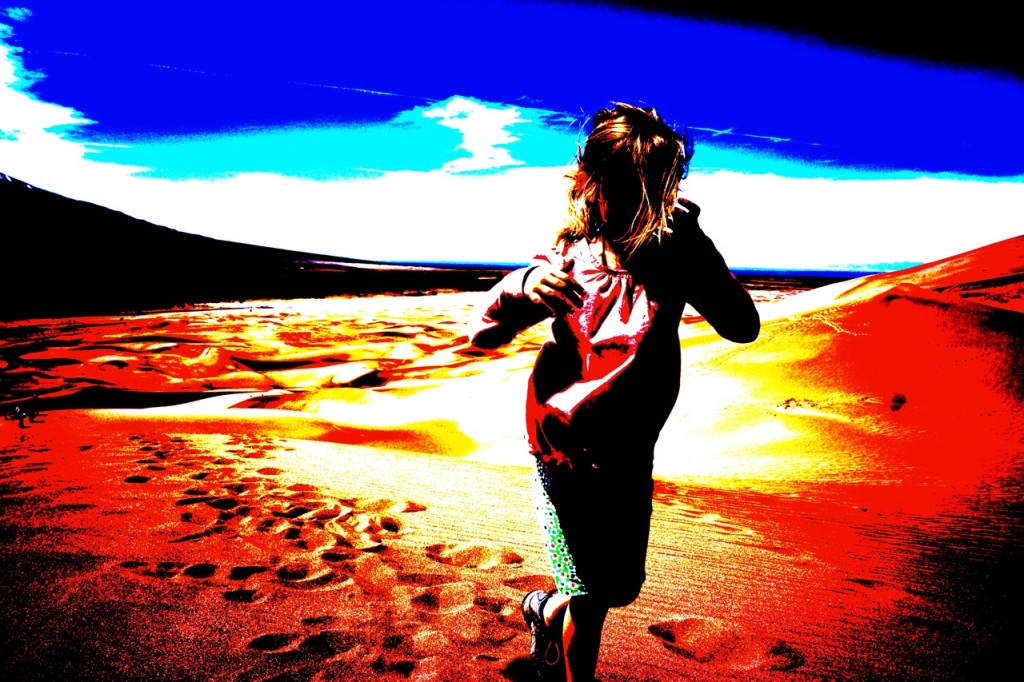
So here’s my daughter, throwing what years from now we’ll recall wistfully: “Oh, yes. That was what we called a snowball. People would throw them at each other to have fun. Now all we have is rocks and dirt.”

Posted in Climate Change, The West, Uncategorized, Weird Weather | Tagged , , | Leave a comment

On Reading T.R. Fehrenbach's "Comanches: The Destruction of a People" and Jared Diamond's "The World Until Yesterday": A World Without Laws

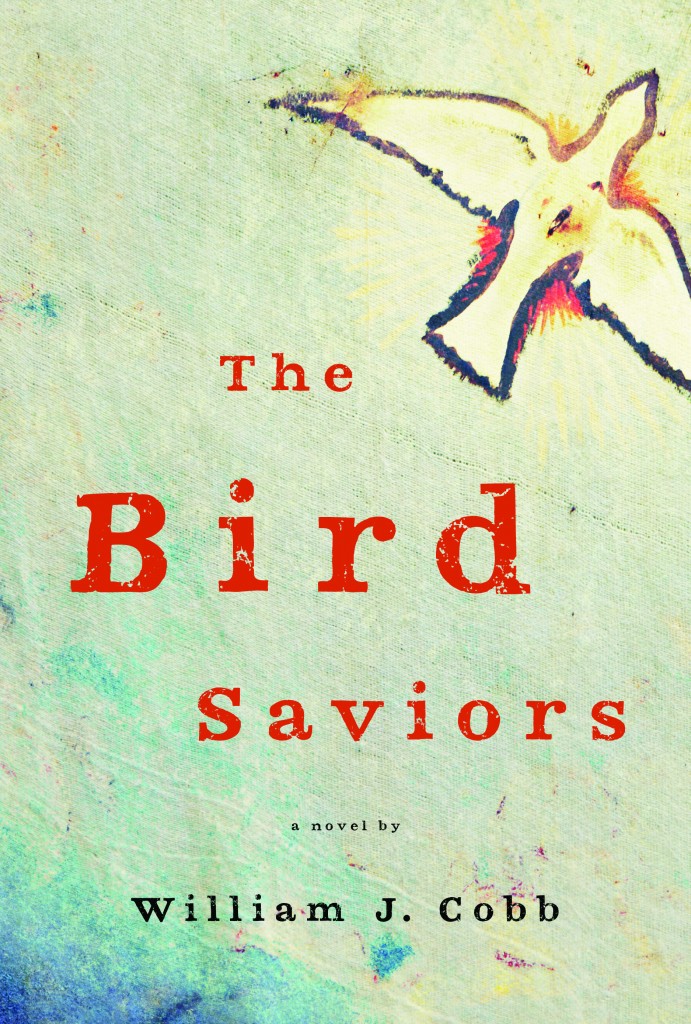
So while teaching Cormac McCarthy’s Blood Meridian recently, I learned he’d been inspired by T.R. Fehrenbach’s Comanches: The Destruction of a People (1975), so I picked it up. Suffice to say it was a gripping read, as I had a zillion other things to do, and couldn’t put the book down until I reached the last page. If you’re interested in the history of the Southwest, and Texas in particular, I think you’d love the book. It’s more balanced and less histrionic than S.C. Gwynne’s Empire of the Summer Moon (2010), and more sweeping in scope; while Empire is focused mainly on the latter period of Comanche history in Texas—and particularly on its last great chief, Quanah Parker—Fehrenbach’s Comanches provides a greater context, particularly describing the Comanche raids and depredations in northern Mexico, which figures prominently in Blood Meridian. But I also found a connection of this bloody period of American history with the “traditional culture” worlds Jared Diamond describes in his new book, The World Until Yesterday. Simply put, in a world without “the rule of law,” interactions with strangers could have dire consequences. The horrible violence that unfolded during the Comanches reign in Texas and Mexico was in part due to their not being bound by any laws, but only by their own traditions, in which warfare and violent raids were a rite of passage for young men. Add into that equation that the Comanches were at times justly resisting the oncoming wave of Texan emigrants who eventually displaced them altogether. It’s given me a greater appreciation for the idea of “law and order,” something I was writing about in my recent novel, The Bird Saviors.

Posted in books/film, Cormac McCarthy, The West, Uncategorized | Tagged , , , , | Leave a comment

Good Review of "The Bird Saviors" in the San Francisco Book Review, and Eerie Similarities to Alex Prud'homme's "The Ripple Effect" in Recent L.A. Tourist's Death Case

So I’ve been too busy reading/teaching to blog lately, juggling about four books at a time and finishing all of them (more on that later), but had a nice surprise to be told about a good review of The Bird Saviors in the San Francisco/Sacramento Book Review website, here. I like this quote especially, the opening: “The Bird Saviors is a novel of great achievement. Not often enough does a book come out that carries with it the magnitude of talented story crafting, pristine language, and unforgettable characters. This holds a light to that candelabra.” Whoever this reviewer is, I like the way she thinks.
The other thing I’ve noticed in the last few days was the eerie similarity of the recent tourist death in L.A.—whose body was discovered in a hotel water tank (for an article about it, “Corpse Found in L.A. Hotel’s water tank,” click here)—with the opening chapter of Alex Prud’homme’s The Ripple Effect (2010), about our growing water crisis, which describes the death of a New Jersey area water official, found decomposing in a water tank that had been providing drinking water for people for many days. It makes you wonder: How often are people falling into water tanks? It’s an awful fate, for everyone involved, and is part of the Infrastructure Crisis (as if we need one more crisis, please) in the U.S.

Posted in books, Climate Change, The West | Tagged , , , , , | Leave a comment

Life Imitating Art, But Softly: Russian Meteor a Mini-Version of the Fireball That Ends Civilization in Cormac McCarthy's "The Road"

So I’ve been teaching Cormac McCarthy’s Blood Meridian (1985) for the last two weeks, although the more I know about the novel, the more I’m struck that it needs an entire semester to cover thoroughly—though if I did that, I imagine the students would rebel like Comanches. This week I was comparing the end of Blood Meridian with the end of McCarthy’s end-o-the-world masterpiece, The Road (2006), and as if on cue, here comes a meteor streaking across the Russian skies, causing $33 million dollars in damages and injuring over a thousand people, the same day as a bigger asteroid made a close fly-by. As readers of The Road well know, the event that kicks the apocalypse in motion is some mysterious flash in the sky, followed by horrific fires that burn the world to an ashy crisp. Various interviews and glimpses of what Cormac had in mind are available online, some that hint of an asteroid impact, such as here, while others that hint at a super volcano.
Here’s what he said in an interview with the Wall Street Journal, regarding what caused the destruction at the outset of The Road: “A lot of people ask me. I don’t have an opinion. At the Santa Fe Institute I’m with scientists of all disciplines, and some of them in geology said it looked like a meteor to them. But it could be anything—volcanic activity or it could be nuclear war. It is not really important. The whole thing now is, what do you do? The last time the caldera in Yellowstone blew, the entire North American continent was under about a foot of ash. People who’ve gone diving in Yellowstone Lake say that there is a bulge in the floor that is now about 100 feet high and the whole thing is just sort of pulsing. From different people you get different answers, but it could go in another three to four thousand years or it could go on Thursday. No one knows.” http://online.wsj.com/article/SB10001424052748704576204574529703577274572.html
Personally I think he’s being coy—the clocks stoppage at 1:17, the streak of light in the sky both tip the hand toward asteroid impact. There are also later descriptions in the novel that detail a line of cars fleeing from an area, buildings that seem to have withstood some great cosmic blast, with their glass now melted, and I think you could posit that the asteroid actually impacts somewhere in the southern United States. And, tellingly, meteor is the first thing he mentioned when asked the question. So watch the many terrific videos on YouTube of the Russian meteor lighting up the sky, and think The Road. Count your lucky stars you’re not trying to outrun a cannibal, too.

Posted in books/film, Climate Change, Cormac McCarthy, The West | Tagged , , , , , | Leave a comment