On Finishing David Quammen's "Spillover: Animal Infections and the Next Human Pandemic"

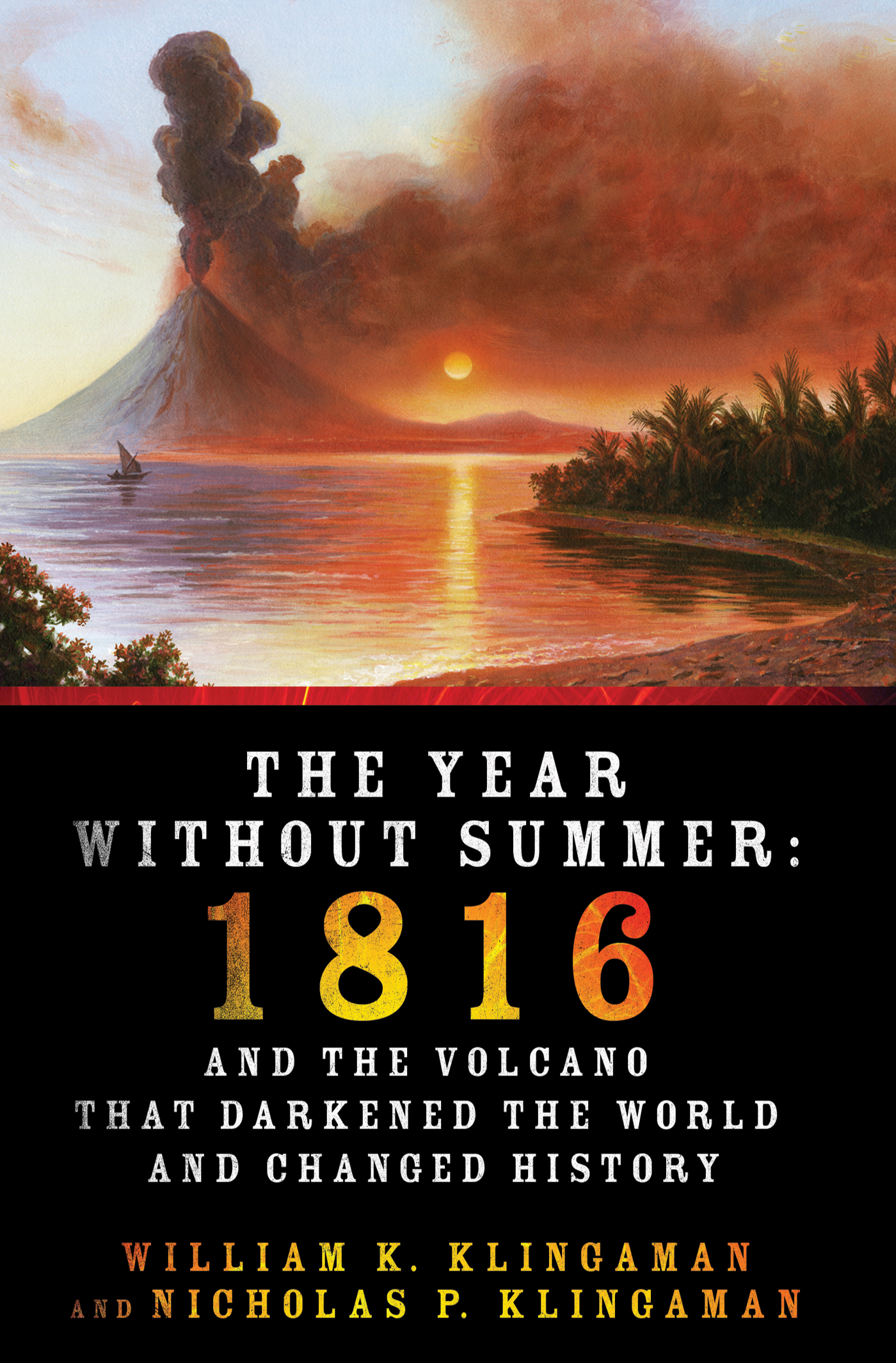
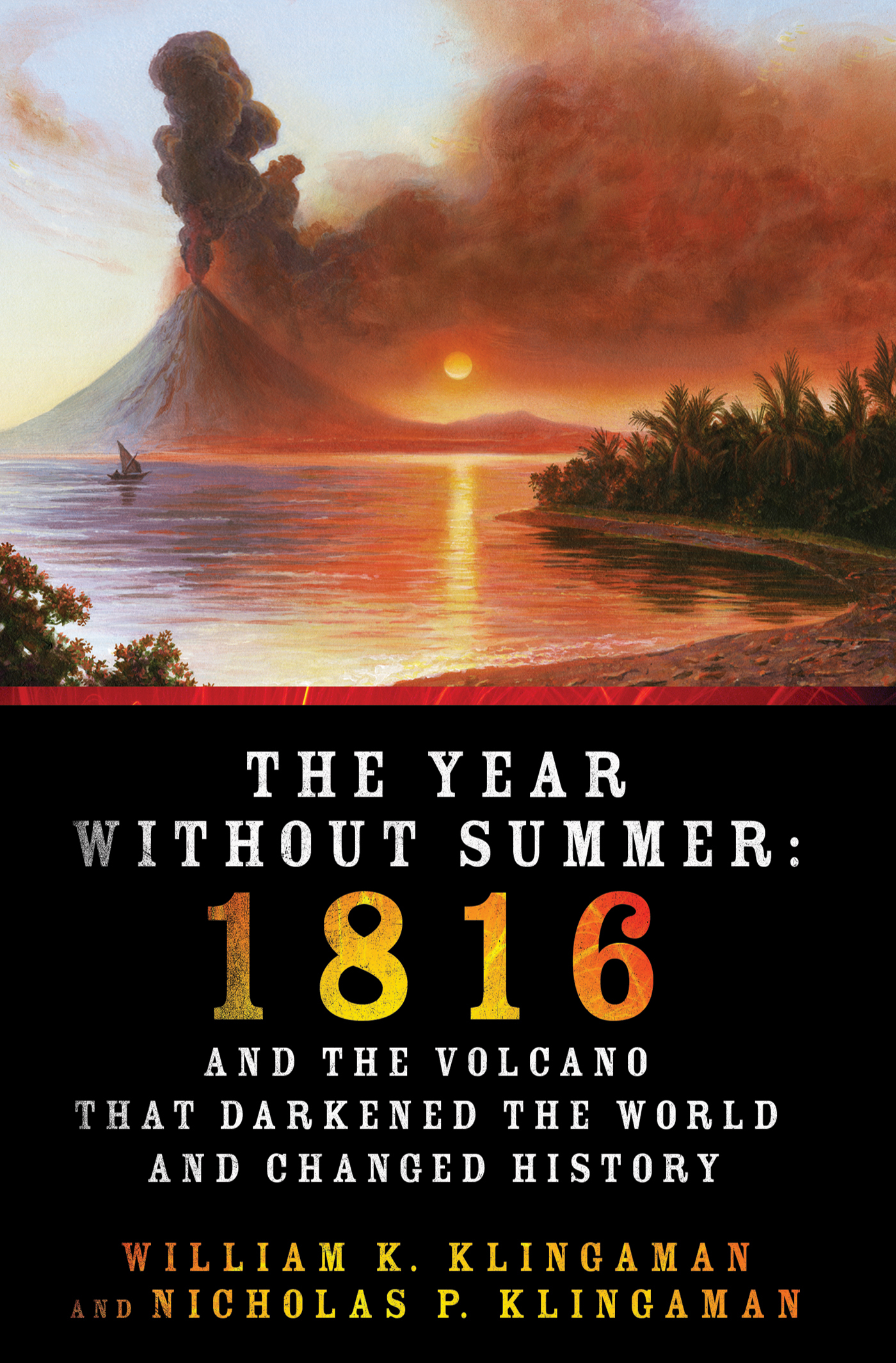
So I’ve finished David Quammen’s excellent new book of nonfiction, Spillover: Animal Infections and the Next Human Pandemic, about zoonotic viruses and the danger we face from new pandemics originating in crossover viruses leaping from animals to humans. At 520 pages, it’s a detailed and impressive read. Like other long nonfiction books on ecology or natural science I’ve read this year (Alex Prud’homme’s The Ripple Effect comes to mind), it takes a time commitment, and I felt like I should get a merit badge when I reached the last page. But the merit badge of Spillover is found in the organization of the book itself. In some ways he saved the best for last. The penultimate chapter is a fascinating (and minutely detailed) investigation/explanation of the origin of the HIV virus, a story with many twists and turns. I won’t go into it here, but I was surprised to learn that scientists now believe the virus actually originated (the “spillover” event from animals to humans, in this case believed to have occurred some time in the act of killing/eating a monkey or chimpanzee) in 1908, more or less. It also ends with this fascinating observation: Quammen quotes several scientists who describe the population boom of humans in the last century as being an “outbreak,” similar to other species outbreaks, when they suddenly swell in population over a short period of time. With insects, it might be a year or two. With humans, it’s occurred within a matter of decades: “From the time of our beginning as a species (about 200,000 years ago) until the year 1804, human population rose to a billion; between 1804 and 1927, it rose by another billion; we reached 3 billion in 1960; and each net addition of a billion people, since then, has taken only about thirteen years. In October 2011, we came to the 7-billion mark and flashed past like it was a ‘Welcome to Kansas’ sign on the highway. That amounts to a lot of people, and certainly qualifies as an ‘explosive’ increased within Berryman’s ‘relatively short period of time'” [my note: the definition of an outbreak] (496).
That’s where Quammen weighs in, with the threat of virus as a possible end to our outbreak: “We are prodigious, we are unprecedented. We are phenomenal. No other primate has ever weighed upon the planet to anything like this degree. In ecological terms, we are almost paradoxical: large-bodied and long-lived but grotesquely abundant. We are an outbreak. And here’s the thing about outbreaks: They end. In some cases they end after many years, in other cases they end rather soon. In some cases they end gradually, in other cases they end with a crash” (497-8).

Posted in books/film, Climate Change, Uncategorized | Tagged , , | Leave a comment

Where Do You Live? What Do You Do? & Other Ways to Define a Person

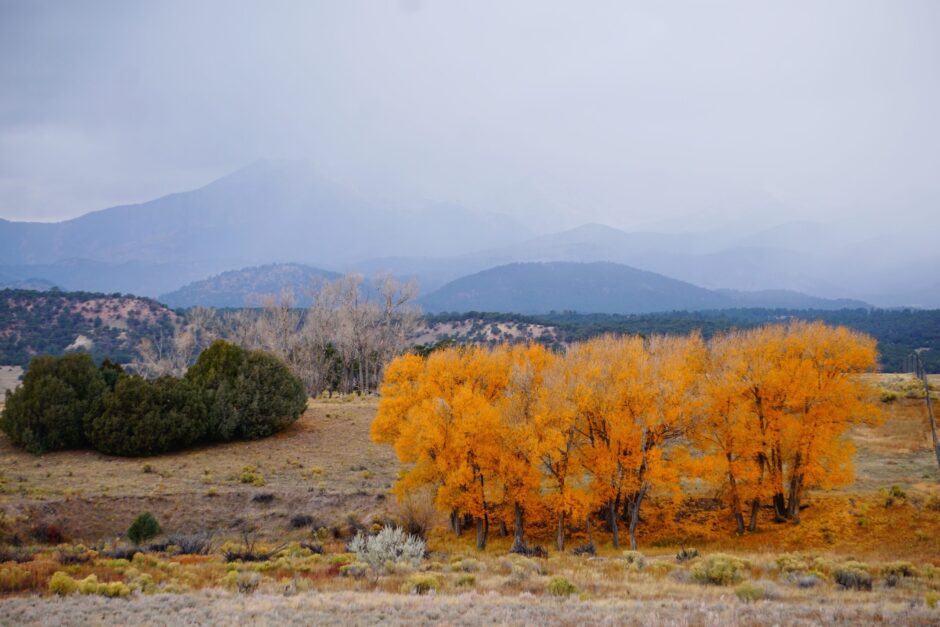
So I’m working on a new novel, which is really the only part about being a writer I like. I was just visiting a friend who went to one of my readings and commented on how cool it was to have people listening to me, paying attention to what I say, and discussing my work. He asked what I thought of it, and if I took it for granted, and I told him Yes, I thought I did. Readings/signings have their ups and downs, and as many writers attest, it’s not unusual to go to an event and have only a few people (or none) in attendance. My friend was at a well-attended event and that’s nice, but I don’t forget the ones that were sparsely attended, either. But most writers—and count me among this category—love literature, and love the ability to put their work into the mix, to be a part of the greater literary world, to do their best to rub shoulders with the likes of, say, William Shakespeare, William Faulkner, or, more recently (and one of my favorites), Cormac McCarthy. Which brings me to my new novel, in which I’m writing about a small-town lawyer whose son has disappeared, believed to be abducted, and who is, understandably, freaking out, melting down. But when I’m creating a character—a person—I can’t help but think about What Defines Us. Two of those things are Where We Live, and What We Do. And it’s natural to think of yourself in that vein, think about where you live, what you do, and how it affects you.  I live at the foot of a thirteen-thousand foot mountain in Southern Colorado, in the U.S. of A., and I’m sure it shapes me, to see that looming peak behind me. What I do is make up stories, crafted into literary work that hopefully enters the imaginative fray, makes an addition to the cultural soup—stories that offer some vision of the world, stories to make us think. And it makes me think about other people as well, where they live, what they do, and how it influences our world. So I’m just throwing it out on the table, so to speak. Where do you live? What do you do? Here’s a pic of my backyard mountain, Spread Eagle Peak:

Posted in books, Cormac McCarthy, The West, writing | Tagged , , , , | Leave a comment

Proposition 64 Passes in Colorado & Mitt Is a Loser, Which Means It's a Good Day

So my (second) home state of Colorado voted to legalize “recreational” marijuana. Cool. It’s like volleyball now! (Only where you keep forgetting the score.) Enough already with this Prohibition, Part II.
Obama even mentioned “this warming planet” in his acceptance speech—though it did sound somewhat like “Mormon planet” when he said it.
And about that Romney dude, that Mitt? Aren’t we glad we won’t have to see his smirk anymore? The pundits on TV are all saying Obama’s election to a second term is a result of demographics, but could it just maybe be that Romney lied in TV ads and his policies were untenable (disband FEMA, overturn Roe v. Wade, etc)? Methinks the sun hath set on the Romneys of the world, for a moment, at least.

Posted in Photography, Politics, The West | Tagged , | Leave a comment

On David Quammen's "Spillover," Today's Election, and the Great Horned Owls Beside Me

So I’ve been reading David Quammen’s new book, Spillover (2012), on emerging diseases (and particularly zoonotic viruses, a la Ebola, Marburg, HIV, SARS, etc.), and I keep feeling sicker and sicker. It’s like I’m catching Ebola from reading this book. But a little bug is not going to stop me. It’s an excellent (and spooky) read, detailing one virus after another that has “emerged” or spilled over (from animal hosts to human infection) in the last few decades. I’m on page 215, and I don’t care if I start weeping tears of blood—a symptom of Ebola reported in Richard Preston’s The Hot Zone (1994), which Quammen debunks—I’m going to finish it. I don’t care if the Zombie Apocalypse happens tonight—or Romney wins, same thing—I’m going to finish it.
Meanwhile it’s another in a list of terrific but exhausting books of nonfiction I’ve read this year, works that are dramatic, exciting, about important ecological developments—and long. Alex Prud’homme’s The Ripple Effect (2010), about our 21st century water crisis, and Edward O. Wilson’s The Social Conquest of Earth (2012) are also in this category. Good but they take reading stamina.
Meanwhile it’s been unusually warm in this part of southern Colorado, and a friend recently termed it “the Other Season,” because it’s not really like fall or winter, more like a displaced spring. (And the planet isn’t warming, really.) Everyone in this area of Colorado mentioned how warm Halloween was. At this rate next year we’ll be wearing shorts on Christmas Day.
Meanwhile it’s election day! Thank god this ordeal is finally coming to a close. Readers can probably guess I favor Obama, who hasn’t done enough on environmental issues (like Climate Change), but I begrudgingly realize he has a recalcitrant (and backward-looking) Republican Congress, and that he has taken some tangible steps in the right direction, such as the improvement of fuel-efficiency standards in the future, while Romney is a total sellout to the climate-change deniers in his party, and everything else, except worshipping the almighty dollar.
Meanwhile I’ve been trying to photograph a pair of Great Horned Owls on my mountainside here, who hoot in my backyard almost every night, and I keep getting tantalizingly close, but they’re shy enough that if they hear my footsteps crunching in the fallen aspen leaves, they swoop and silently fly away. Yesterday at dusk I managed to get this photo, not exactly award-winning, but they’re beautiful (and for rabbits and their ilk, terrifying) birds. Note that he (or she) is looking away from me, so we’re looking at his/her backside.

Posted in books, Climate Change, Owls, Photography, The West, Water Crisis | Tagged , , , , | Leave a comment

Peak Oil & Climate Change Loom, While We Keep Our Fingers in Our Ears

So Hurricane (or Superstorm) Sandy has put Climate Change back in the headlines, where it will probably disappear after a couple weeks, replaced by something that Kim Kardashian or Lindsay Lohan does or wears. But for now it’s heartening to see some people, like New York’s Governor Cuomo, pointing out the obvious that Climate Change is affecting our cities NOW, not in some distant future. There’s even talk of building sea gates for New York, which some Climate-Change-mitigation scenarios have predicted. Readers of this blog will know that I’m a fan of Tim Egan, who has a column in the NY Times, and he had some pithy things to say this week about the way that Climate Change has been ignored in the presidential campaign, here. And I found this little gem about the precarious state of Saudi oil in my alma mater’s (The University of Texas at Austin) alumni magazine, The Alcalde, here. The article by Karen Elliot House, titled “An End to Saudi Oil?” and excerpted from her forthcoming book On Saudi Arabia, argues that the role of Saudi Arabia as the key oil producer whose production functions to keep prices down will likely end soon, and could be a shock to the world’s economies. This has also been predicted by many, and though I’m certainly not a Peak Oil doomsayer, I think it’s reasonable to expect that fuel prices will go much higher in the next decade or two, no matter how much we try to produce and keep the prices down. That Peak Oil and Climate Change are intertwined has been noted by many, with the upshot that we should be conserving more, stressing fuel efficiency more, and developing alternative energies faster. It’s reasonable to me. Most of the supply-side arguments seem rather dim and oddly naive, basically saying, Don’t worry, be happy, buy that gas guzzler. The world is changing and much of our country—symbolized by but not limited to the Republicans—want to deny it.
At one point in his op-ed piece Tim Egan mentions the wildfires in the West, a subject I know something about, first-hand. In my county there was a fire last week that burned 14 homes so fast that the people had to run for their lives, and some had to cower in ditches or take shelter in metal sheds to survive. Yes, there have always been fires in the West. As there have been hurricanes in the Atlantic. But this isn’t normal.

Posted in books, Climate Change, Politics, The West, Weird Weather | Tagged , | Leave a comment

On David Quammen's "Spillover: Animal Infections and the Next Human Pandemic": Viruses of the Future

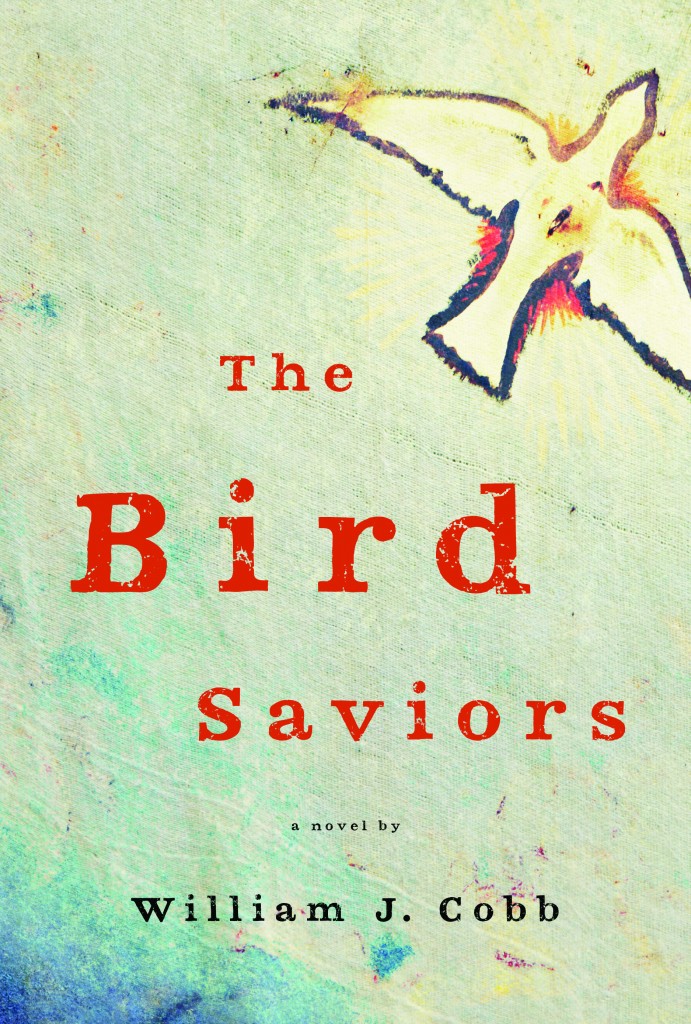
So on this post-Halloween day I’m reading David Quammen’s just-published book of nonfiction, Spillover: Animal Infections and the Next Human Pandemic, which is gripping from the get-go. He starts by describing the Hendra virus in Australia, one I had never heard of, with horses dying horrible deaths, and disease specialists rushing in once humans also begin to die. Quammen is one of our best nonfiction writers, and a good person to boot. I’ve met him a couple times, and he’s a sober, thoughtful nonfiction writer, quite a contrast from the usual memoirist. Much of what he says about viruses is in the background of my novel The Bird Saviors, which features a mysterious virus outbreak that may or may not be of avian origin. I’ve read some excellent books on viruses, like Richard Preston’s The Hot Zone and Laurie Garrett’s The Coming Plague, and I find them fascinating. But here’s the kicker: Climate change will likely unleash some of these viruses from their hidden locales. As Quammen puts it, “Ecological disturbance causes diseases to emerge. Shake a tree, and things fall out” (23). With Hurricane Sandy being just the latest example of how climate change can affect the world, we should pay attention to what Quammen has to say.

Posted in books, The West, Weird Weather | Tagged , , | Leave a comment

Review of "The Bird Saviors" in the San Antonio Express-News, and Miles & Miles of Texas

So I’m on a book tour of Texas right now, and have actually driven 1,400 miles so far, from Texline in the northeast part of the Panhandle to South Padre Island at the very southern tip of the state. And though I’m a native Texan, since I haven’t lived here in a while it’s like a trip back through time for me, both nostalgic and primordial. I just spent three days on the Texas coast, and the lush tropical air and sound of grackles remind me of my badboy childhood. Plus all the pumpjacks and natural gas wells remind me how rich the state is in natural resources, a legacy of the age of dinosaurs, and then I come upon dragonflies (“caballitos del diablo” in Spanish, a great term, which means something like “little devil horses”) the size of small birds, and it really seems freaky. Here’s my daughter’s hand holding one:

I also just learned that The Bird Saviors received a terrific review in the San Antonio Express-News, here, and just did a reading at Paragraphs Bookstore on South Padre Island, with over 50 people there, which was a great crowd. That put a smile on my face.

Posted in Birding, books, The West, Uncategorized | Tagged , , , | Leave a comment

"The Bird Saviors" Texas Tour 2012: Just like ZZ Top, Only Different

So starting on Thursday I’ll be promoting my novel The Bird Saviors at various events in Texas. Just like ZZ Top, only minus the beards, the guitars, the groupies, and . . . well, okay, nothing like ZZ Top. But I do promise to do a good job at each event, and try to make it as lively as possible. The novel has murderous polygamists, lecherous pawn shop owners, a good-hearted young mother, a grieving ornithologist, and two kidnappings (well, almost: you have to read the book), so it shouldn’t be dull. Here’s the schedule:
Thursday, Oct 18th, 7 pm, at Blue Willow Books in Houston, who have given me a nice write-up here, and the Houston Chronicle had a nice review in June, here.
Saturday, Oct 20th, 1 pm, at Paragraphs Bookstore in South Padre Island, whose owner, Joni, has been most kind in arranging this, and will be my first visit to the Gulf (where I went to high school, near Corpus Christi) since 2009. I’m psyched to see the beach again.
Monday, Oct 22nd, 7 pm, at Book People in Austin, at my favorite bookstore in my favorite city in Texas, where I went to grad school.
Thursday, Oct 25th, 5 pm, at the Twig Bookstore in San Antonio, where I lived until high school. And rumor has it the novel is going to be reviewed in The San Antonio-Express News next Sunday, which would be cool.
Sunday, Oct 28th, 12:15-1:15 pm, at the Texas Book Festival (in The Lone Star Tent, which is on Congress Avenue between 8th & 9th streets), in a panel titled The Savage Southwest. The Texas Book Festival is much fun, full of outstanding writers, one of the premier book festivals in the country.

Posted in Birding, books, The West | Tagged , , | Leave a comment

The End of Growth, Or to Quote Bette Davis, "Fasten Your Seatbelts, It's Going to Be a Rocky Ride."

So there’s a fascinating, if decidedly gloomy, piece in the NY Times today, about one economist’s challenging paper that argues the U.S. (and other industrialized nations) are in store for a dramatic decline in growth, here. The most interesting part of the argument comes at the end, when he notes that both presidential candidates can’t really address this enormous problem head-on, for the obvious reasons that they would then be seen as Debbie Downers, but his analysis of the Republicans and Mitt Romney sound fairly sinister (or, some would argue, practical, though sometimes practical can be sinister, too).
But I’ve realized some of this argument without ever having read (or even heard of) Robert Gordon’s paper. Haven’t we all? Don’t the campaign promises to bring home a chicken in every part, two cars in every garage sound a little suspect now? Of course we have to update those notions of prosperity: Two iPhones in every home? A plasma TV in every den? What does that say about us?
In the much-dissected first debate, Obama did seem tired and a bit worn down, for good reason: He’s facing problems, like all presidents do, but his come at what may very well be a crucial turning-point in history, when our expectations are too high for a return to historical levels of growth, i.e., money-making. Romney came across as a convincing car salesman, assuring us all that if we buy his model, we’ll not only go faster, but we’ll do it in style, and look better, feel better, as we do. What a bunch of hokum.

Posted in Economics, Politics, The West | Tagged , , | Leave a comment

Unicorn Sighting in Southern Colorado!

So on my drive back from Santa Fe this weekend, while passing through the rugged (and remote) Huerfano County, Colorado, I snapped this photo of that rarest of rare (horses? ponies?) one-horned wonders, a unicorn. And I swear this photo was not doctored in the least, Scout’s honor:

Posted in Cryptozoology, The West, Unicorns, Weird Science | Tagged , , , , | Leave a comment